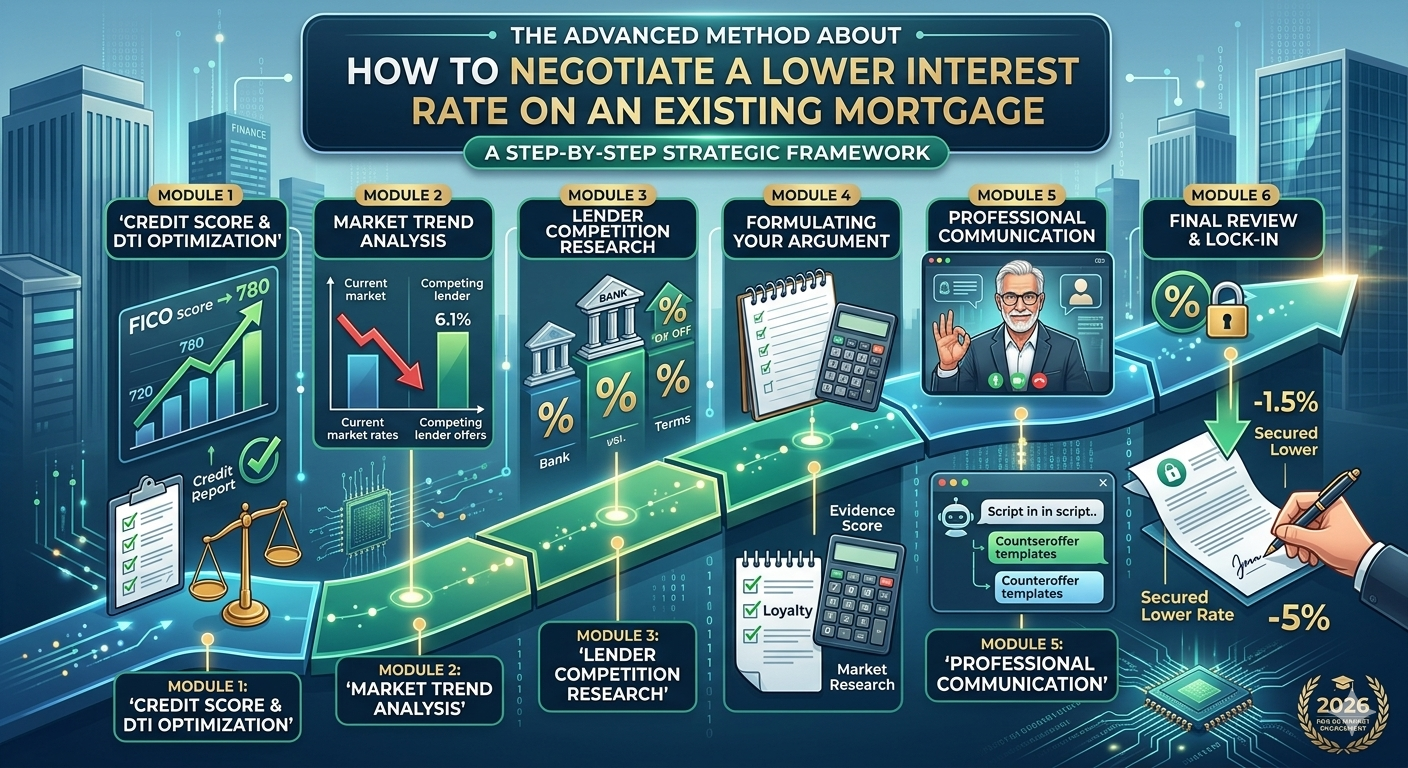
Navigating the United States housing market in May 2026 requires a more sophisticated approach than in years past, as the interplay between stabilizing interest rates and record-high loan limits has fundamentally shifted the math for prospective buyers. As of today, May 21, 2026, the decision between an FHA loan and a conventional mortgage is no longer just about credit scores; it is a strategic maneuver involving long-term equity growth, monthly cash flow optimization, and the utilization of the Federal Housing Finance Agency’s expanded borrowing power. With the national baseline conforming loan limit now sitting at a robust $832,750—an increase of over $26,000 from last year—and the FHA floor rising to $541,287, the 2026 homebuyer has more leverage than ever, provided they understand how to deploy these tools against the current economic backdrop.
The current interest rate environment, which has seen the 30-year fixed mortgage average hover between 6.3% and 6.5% this month, demands a careful look at the total cost of borrowing. While inflation has proven stubborn at 3.8%, keeping the Federal Reserve’s benchmark rate in the 3.5% to 3.75% range, the relative stability of mortgage rates has allowed for a more predictable comparison between loan products. For many, the FHA loan remains the premier entry point, particularly for those navigating the 2026 market with a credit score between 580 and 620. The FHA’s primary advantage continues to be its flexibility regarding debt-to-income (DTI) ratios, often allowing for a DTI as high as 43% to 50%, which is crucial in a year where home prices have continued their modest but steady 3.2% annual appreciation.
However, the strategic “win” for FHA borrowers in 2026 is the significantly reduced annual Mortgage Insurance Premium (MIP). Most new FHA borrowers are now benefiting from an annual MIP of just 0.55%, a far cry from the higher rates of the early 2020s. This reduction can save a typical buyer nearly $1,000 a year, making the FHA option more competitive with conventional Private Mortgage Insurance (PMI) than it has been in decades. The catch, of course, remains the persistence of this insurance; unless you provide a 10% down payment to trigger an 11-year cancellation, FHA mortgage insurance typically lasts for the life of the loan. In a market where rates are expected to plateau in the low 6% range for the foreseeable future, the inability to shed that insurance without a full refinance is a critical factor to weigh against the lower initial barrier to entry.
Conversely, the conventional loan path in 2026 is the preferred framework for those with credit scores above 720 who are looking to maximize their purchasing power in high-cost areas. With the 2026 ceiling for conforming loans reaching $1,249,125 in expensive markets, the “jumbo” threshold has been pushed further out, allowing more buyers to access standard conventional terms on high-value properties. The primary strategic advantage of the conventional loan today is the “disappearing” nature of PMI. Unlike the FHA’s permanent MIP, conventional PMI automatically terminates once you reach 22% equity, or can be requested off at 20%. In a 2026 landscape where home price growth is slowing to a more sustainable 3.2% pace, the ability to eliminate a monthly insurance payment through natural appreciation or principal pay-down is a powerful wealth-building lever.
For the first-time buyer in May 2026, the “Conventional 97” or similar 3% down programs continue to challenge the FHA’s 3.5% down requirement. If your credit score is 660 or higher, the conventional 3% down option often yields a lower monthly payment because the PMI is risk-based—meaning a higher credit score results in a lower insurance premium. However, if your score is below 680, the FHA’s flat-rate MIP of 0.55% often beats the expensive PMI quotes found on the conventional side. This “680 pivot point” has become a rule of thumb for savvy 2026 buyers: above 680, look conventional to save on insurance; below 680, look FHA to protect your monthly budget.
Ultimately, optimizing a 2026 home purchase is about matching your specific financial profile to the updated limits and rates of the current quarter. With the FHFA and HUD having adjusted limits upward to reflect the 3.26% increase in average U.S. home values over the past year, the “affordability gap” is being bridged by policy, even if the market remains competitive. Whether you choose the FHA route for its lenient DTI and low-cost insurance for lower-credit tiers, or the conventional route to capitalize on the $832,750 baseline and cancellable PMI, the goal is the same: securing a fixed-rate asset in an era of persistent inflation. By applying this strategic framework, you can move from a position of uncertainty into a confident, data-driven home purchase that aligns with the unique
Leave a Reply