Blog

  • The 2026 Car Loan Refinancing Strategy: A Professional Framework for Monthly Payment Optimization

    The 2026 Car Loan Refinancing Strategy: A Professional Framework for Monthly Payment Optimization

    As we navigate the financial landscape of May 2026, the American automotive market finds itself at a critical crossroads. With the Federal Reserve recently holding the benchmark interest rate steady at a range of 3.5% to 3.75% following the April FOMC meeting, many vehicle owners are looking for a reprieve from the record-high monthly payments that defined the last two years. While the “wait-and-see” approach of the central bank has stabilized the market, the shadow of sticky inflation—currently sitting at a 3.8% annual rate—and the energy price volatility stemming from the ongoing conflict in Iran suggest that the window for optimizing your auto debt may be narrower than previously anticipated. For the professional borrower, the 2026 car loan refinancing strategy is no longer just about chasing a lower number; it is a sophisticated framework of timing, regulatory leverage, and term management designed to reclaim monthly cash flow without sacrificing long-term equity.

    The first pillar of this framework involves a precise assessment of the current interest rate environment against your personal credit trajectory. As of late May 2026, average new car loan rates are hovering around 6.7%, while used car rates remain slightly more elevated near 7.1% for those with excellent credit. If you secured a loan during the peak volatility of 2024 or 2025, when rates were significantly higher, a refinance today could yield a reduction of 1.5% to 2% in your APR. However, the strategy requires more than just a market dip. With the recent implementation of the 2025 budget reconciliation incentives—often referred to as the “One Big Beautiful Bill”—and the surge in AI-driven capital investment, the broader economy is showing a resilience that may actually prompt the Fed to consider a “hawkish” hike later this year. Consequently, the professional move is to lock in a refinance now, before the potential July rate adjustments, particularly if your credit score has migrated into the “Excellent” (800+) tier, where the most competitive 6.81% offers currently reside.

    Beyond the macroeconomics, the 2026 strategy leverages a powerful new regulatory shield: the Combating Auto Retail Scams (CARS) Act. Although the full weight of the CARS Act’s enforcement takes effect this October, its influence is already being felt across the lending sector. This legislation, alongside state-level protections like New York’s FAIR Business Practices Act, has fundamentally changed the transparency requirements for auto financing. When you approach a lender for a refinance today, you have the legal right to a clear, conspicuous disclosure of the total price and the elimination of “junk fees”—those hidden add-ons for products like nitrogen-filled tires or redundant gap insurance that often bloated original loan balances. A successful 2026 refinance involves auditing your current loan for these predatory costs and ensuring your new contract is lean. This is the “optimization” phase where you aren’t just lowering the interest rate, but actively shrinking the principal by refusing to carry over legacy fees into the new agreement.

    The final component of a professional framework is the strategic management of the loan term. We are currently seeing an all-time high of 22.9% of buyers stretching their loans over 84 months to manage the $773 average monthly payment for new vehicles. While a longer term can provide immediate breathing room for your monthly budget, it is a dangerous trap in a 2026 market where vehicle depreciation remains unpredictable due to the rapid evolution of hybrid and AI-integrated models. The professional strategy for 2026 is to “refinance down” the term whenever possible. If you can secure a rate reduction of at least 1.5%, aim to keep your remaining term the same or even shorten it. This ensures that the interest savings go toward building equity rather than merely delaying the inevitable. By aligning your refinance with

  • The Employer Match Strategy: Optimizing Your 401k for an Accelerated Retirement Timelin

    The Employer Match Strategy: Optimizing Your 401k for an Accelerated Retirement Timelin

    The landscape of American retirement planning is shifting beneath our feet in 2026, offering savvy investors a rare window to accelerate their exit from the workforce. At the heart of this transformation is the employer match—a benefit often dismissed as a standard perk but which, when optimized under the latest IRS regulations, serves as a high-octane fuel for your retirement engine. As we navigate the current fiscal year, understanding how to leverage the SECURE 2.0 Act’s newest provisions is no longer optional for those aiming for an early or more affluent retirement; it is the baseline for financial success.

    For 2026, the Internal Revenue Service has adjusted contribution limits upward to account for the evolving economic climate, setting the individual 401(k) contribution cap at $24,500. While this $1,000 increase over the previous year may seem incremental, its true power is unlocked when paired with the employer match. Most U.S. companies now offer a match ranging between 4% and 6% of an employee’s salary. In a market where every percentage point of growth matters, failing to contribute enough to capture the full match is effectively leaving a 100% immediate return on investment on the table. To accelerate your timeline, your first strategic move must be “matching the match” before allocating a single dollar elsewhere.

    The strategy becomes even more potent for those in the “red zone” of their careers. A standout feature of 2026 is the full implementation of the “super catch-up” contribution. While the standard catch-up limit for those aged 50 and older has risen to $8,000—bringing their total potential deferral to $32,500—a special provision now allows workers aged 60, 61, 62, and 63 to contribute a staggering $11,250 in catch-up funds. This means individuals in this specific age bracket can shield up to $35,750 of their income from taxes while significantly boosting their account balance just years before retirement. When you factor in the total limit for combined employee and employer contributions, which has climbed to $72,000 for 2026 (and up to $83,250 for those utilizing the super catch-up), the potential for rapid wealth accumulation is unprecedented.

    However, 2026 also introduces a critical pivot for high earners that requires immediate attention. Under the new “Roth catch-up” mandate, any participant who earned more than $150,000 in the prior calendar year must now make their catch-up contributions on a Roth (after-tax) basis. While this removes the immediate tax deduction, it strategically positions you for a tax-free retirement. By paying the tax now at today’s known rates, you protect your future self from potentially higher tax brackets decades down the line. Furthermore, more employers are now taking advantage of the option to provide matching contributions directly into a Roth 401(k) account. This shift toward “Rothification” is a gift for the accelerated retirement seeker, as it builds a massive pool of tax-free liquidity that can be accessed without triggering the heavy tax bills that often plague traditional 401(k) withdrawals.

    To truly optimize your 401(k) for an accelerated timeline, you must look beyond the contribution screen and into the vesting schedule. In 2026, we are seeing a trend toward “immediate vesting” as companies compete for top-tier talent. If your employer still utilizes a graded vesting schedule, your retirement “acceleration” is tethered to your tenure. Understanding exactly when those employer dollars become yours is vital when considering a career move or early retirement. If you are 80% vested and planning to leave, staying just a few more months to hit 100% could mean a five-figure difference in your ending balance.

    Ultimately, the employer match strategy in 2026 is about precision. It is about ensuring you hit the $24,500 individual limit, maximizing the $11,250 super catch-up if eligible, and embracing the Roth transition to lock in tax-free growth. By treating your 401(k) as a dynamic tool rather than a static savings account, you aren’t just preparing for a distant future; you are actively pulling that retirement date closer to the present. The math is clear: those who master the match and the new 2026 limits will find themselves crossing the finish line years ahead of their peers.

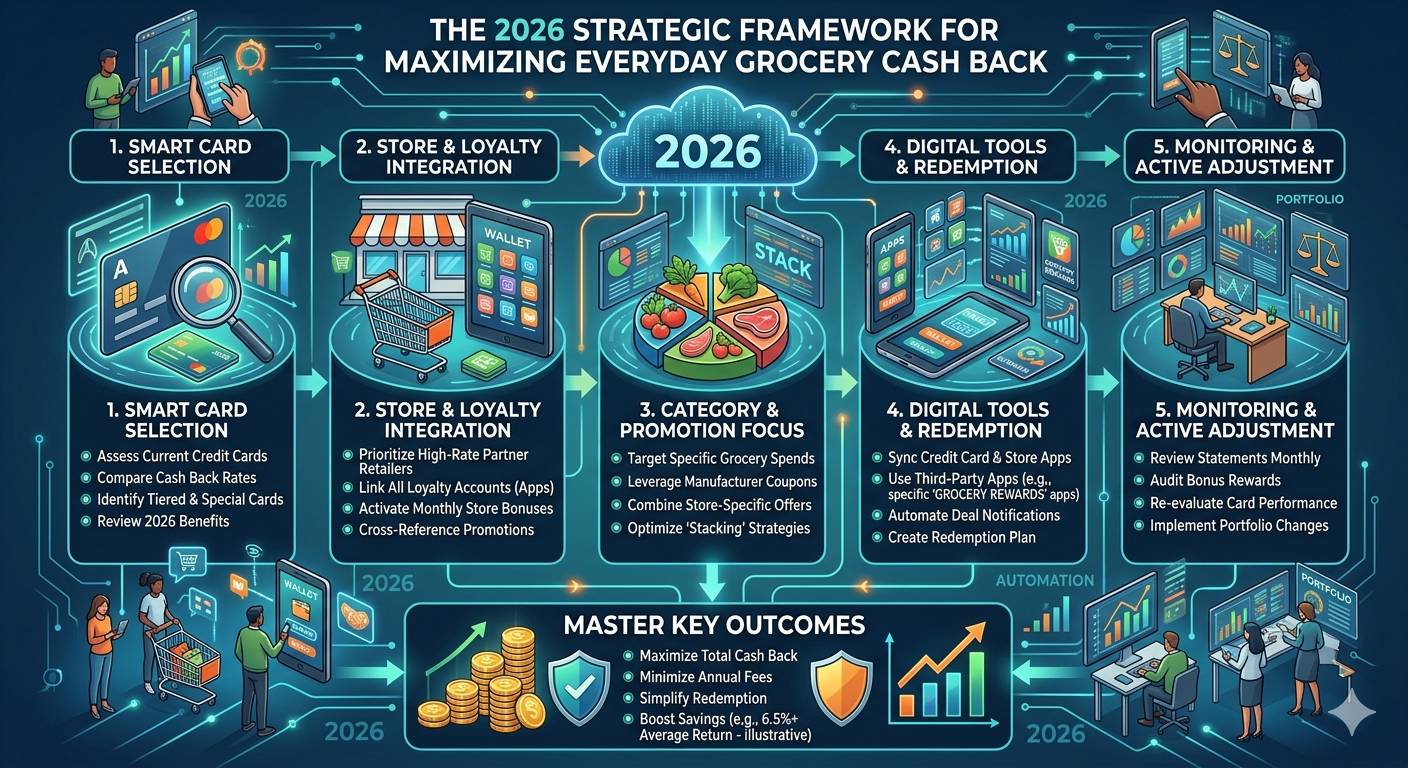
  • The 2026 Strategic Framework for Maximizing Everyday Grocery Cash Back

    The 2026 Strategic Framework for Maximizing Everyday Grocery Cash Back

    As of May 21, 2026, the American grocery landscape has reached a critical inflection point where passive saving is no longer sufficient for the average household budget. With recent Labor Department data showing grocery prices climbing 0.7% in April alone and year-over-year food-at-home inflation projected to hit 4.5% by year-end, the “Strategic Framework” for cash back has evolved from a casual hobby into a sophisticated financial necessity. Driven by rising fuel and fertilizer costs linked to ongoing global supply chain disruptions, the modern shopper must navigate a complex ecosystem of high-yield credit cards, digital stacking protocols, and a shifting regulatory environment that threatens the very existence of the rewards we have come to rely on.

    The foundation of any 2026 grocery strategy remains the high-yield credit card, but the definitions of “value” have shifted. The American Express Blue Cash Preferred continues to lead the market with its 6% cash back at U.S. supermarkets, though its $6,000 annual cap is increasingly easy to hit given today’s inflated basket prices. For larger households, the American Express Gold Card has become the preferred workhorse, offering 4x Membership Rewards points on up to $25,000 in annual spending. While its annual fee has climbed to $325, the integration of new monthly credits for brands like Dunkin’ and Resy allows disciplined users to offset the cost entirely. However, the most significant tactical shift in 2026 is the “Superstore Pivot.” Because traditional high-yield cards often exclude giants like Walmart and Target from their “supermarket” definitions, savvy shoppers are increasingly utilizing the Citi Custom Cash Card to secure 5% back on their top spending category or the Amazon Prime Visa for a flat 5% at Whole Foods and Amazon Fresh, which remains the gold standard for the growing demographic of online-first grocery buyers.

    Beyond the plastic in your wallet, the 2026 framework requires a rigorous “stacking” protocol. This involves the synchronized use of receipt-scanning technology and merchant-specific loyalty programs. Apps like Ibotta and Fetch have matured into AI-driven platforms that offer personalized “boosts” based on real-time inventory levels at local retailers. By activating these offers before a trip and paying with a category-specific credit card, it is now possible to achieve an effective rebate of 10% to 12% on a single trip. This is particularly effective when combined with the resurgence of private-label brands, which now command nearly a quarter of the total unit share in the U.S. market. Shoppers are no longer viewing store brands as a compromise but as a strategic component of a value-driven lifestyle, often yielding higher app-based rewards than their national-brand counterparts.

    Perhaps the most critical development for US readers to monitor this month is the legislative pressure mounting in Washington. The reintroduction of the Credit Card Competition Act of 2026 has sent ripples through the financial sector. This bipartisan bill aims to mandate routing competition for credit card transactions to lower the “swipe fees” paid by merchants. While proponents argue this will lower prices at the register, the banking industry has warned that such a shift could decimate the funding for the very cash-back programs we use to combat inflation. Simultaneously, the Consumer Financial Protection Bureau (CFPB) has intensified its scrutiny of “bait-and-switch” rewards tactics. Their latest circular warns issuers against devaluing earned points or hiding redemption hurdles in fine print. For the consumer, this means that while your current rewards are more protected by federal oversight than ever before, their long-term sustainability is tied to the outcome of this summer’s Congressional sessions.

    To maximize returns in this volatile environment, the 2026 framework suggests a “three-card rotation” system. Use a dedicated 5-6% card for traditional grocers, a store-branded card for wholesale clubs or superstores, and a high-base-rate card for everything else. This must be paired with a weekly audit of digital coupons, as retailers have moved away from paper circulars in favor of “just-in-time” app discounts that expire within hours. As we move into the second half of 2026, the difference between a casual shopper and a strategic one is no longer measured in cents, but in thousands of dollars of annual purchasing power. By treating grocery spending as a managed financial portfolio—diversifying where you shop, stacking your rewards, and staying informed on federal policy—you can effectively insulate your household from the sting of the modern checkout line.

  • Mastering the Showroom: A Strategic Framework for Car Price Negotiation with Dealership Managers

    Mastering the Showroom: A Strategic Framework for Car Price Negotiation with Dealership Managers

    Stepping into a car dealership in May 2026 requires more than just a firm handshake and a preferred color in mind; it demands a sophisticated understanding of a market that has finally settled into a “new normal.” As of today, May 21, 2026, the American automotive landscape is defined by a complex interplay of stabilizing inventory, stubborn inflation, and a radical shift in federal incentive structures. To master the showroom, you must approach the dealership manager not as a supplicant, but as a well-informed strategist who understands their internal pressures as clearly as your own budget.

    The foundation of any successful negotiation in the current climate begins with a deep dive into the “out-the-door” price. With the Federal Reserve holding the benchmark interest rate at a steady 3.75% and the bank prime loan rate sitting at 6.75%, the cost of borrowing remains a significant hurdle for many buyers. Dealerships are acutely aware that affordability is the primary barrier to closing deals this spring. Consequently, their most potent weapon is the “monthly payment pivot.” When a manager asks what monthly payment you are comfortable with, they are attempting to mask the total cost of the vehicle by stretching loan terms or burying high-margin add-ons. Your first strategic move is to refuse this frame entirely. Insist on negotiating the total purchase price, including all taxes and fees, before a single word is spoken about financing or trade-in values.

    Leveraging current inventory data is your second major point of leverage. While the industry average has normalized to a 76-day supply, the reality on the ground is highly fragmented. If you are in the market for a Toyota or Lexus, you are facing a tight 30-day supply, giving the dealer significant pricing power. However, if your interest lies with brands like Volkswagen or certain Stellantis models like Jeep and Ram, you are walking into a buyer’s paradise where inventory levels are hovering near a 140-day supply. In these overstocked showrooms, the manager is under immense pressure to move units to reduce “floorplan” interest costs. Use this to your advantage by citing these specific supply figures; it signals that you know exactly how much “holding cost” that vehicle is accruing every day it sits on their lot.

    Furthermore, the financial landscape for 2026 has been upended by the “One Big Beautiful Bill” passed last year. The era of the $7,500 point-of-sale EV tax credit ended in late 2025, replaced by a new $10,000 federal deduction on loan interest for new, U.S.-assembled passenger vehicles. This shift means that for the first time in years, the “math” of car buying favors those who finance American-made vehicles over those who pay cash for imports. When sitting across from a manager, highlight your awareness of this deduction. If the vehicle qualifies, it effectively lowers your long-term cost of ownership, but it shouldn’t be used by the dealer to justify a higher sticker price. Your goal is to secure a market-value price first, then apply the federal interest benefits as your own personal “win” on the back end.

    Timing remains a critical component of the framework. With gasoline prices currently averaging around $4.40 per gallon, demand for fuel-efficient sedans and hybrids is surging, while SUV demand has softened. If you are looking for a larger vehicle, use the current energy climate as leverage to negotiate deeper discounts on less efficient models. Additionally, while California’s landmark CARS Act—which bans “junk” add-ons and mandates total price transparency—doesn’t officially take effect until October, its principles are already reshaping consumer expectations nationwide. Even if you aren’t in the Golden State, you should negotiate as if these protections are already in place. Demand a line-item breakdown of every fee and flatly refuse “valueless” add-ons like nitrogen-filled tires or etched window VINs, which have become the primary way dealers recoup margins in a high-interest-rate environment.

    The final and most powerful element of your strategy is the “credible walk-away.” In a market where new-vehicle sales are projected to hit 16 million units this year, dealers are desperate for high-credit-score buyers who can navigate the current 6.6% average APR. If the manager refuses to meet your researched market-value anchor—derived from real-time data on platforms like KBB or Edmunds—simply leave. In May 2026, the power has shifted back to the consumer who is willing to wait for the right deal. By separating the vehicle price, the trade-in appraisal, and the financing into three distinct transactions, and by staying anchored in the current economic data, you transform the showroom from a place of high-pressure sales into a theater of strategic victory.

  • Mastering Commercial Real Estate Analysis: A Strategic Evaluation Framework for New Investors

    Mastering Commercial Real Estate Analysis: A Strategic Evaluation Framework for New Investors

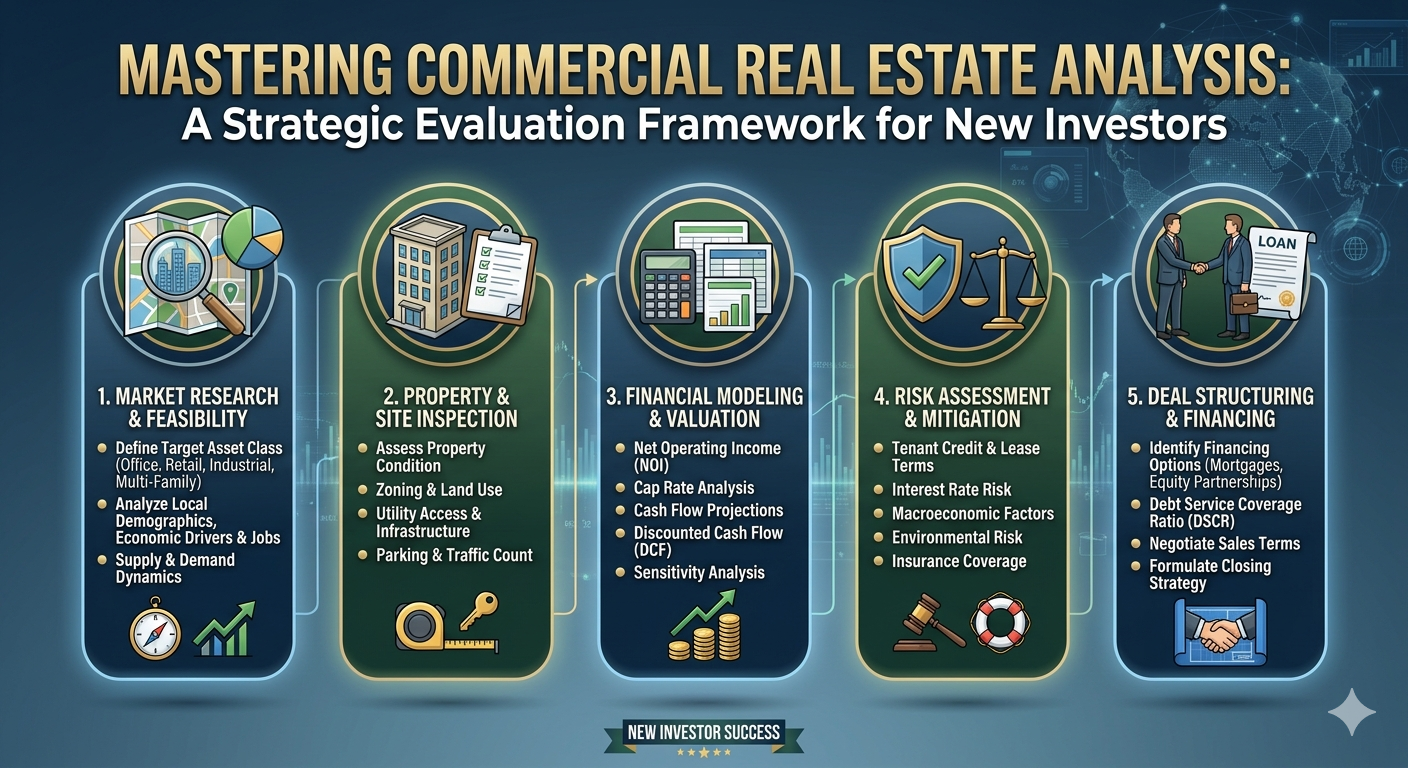
    Entering the commercial real estate arena in May 2026 requires more than just capital; it demands a sophisticated strategic evaluation framework that accounts for a rapidly shifting economic and regulatory landscape. As we stand at this unique inflection point, the era of easy appreciation driven by rock-bottom rates has been replaced by a “constructive phase” where income and operating fundamentals are the primary drivers of value. For new investors, mastering commercial real estate analysis today means looking beyond the physical asset to understand the complex interplay of hawkish monetary policy, new transparency requirements, and sector-specific demand spikes fueled by the ongoing artificial intelligence boom.

    A robust evaluation begins with a granular look at market fundamentals, which in 2026 are increasingly defined by selectivity. While the broader market is “turning the corner,” success is found in submarkets with deep talent pools and industry clusters. For instance, tech hubs like San Francisco and San Jose are seeing a resurgence in multifamily rent growth as AI firms mandate in-person collaboration, while the Midwest offers stable, defensive income opportunities. When evaluating a property, you must analyze the “Weighted Average Lease Term” (WALT) and the quality of the tenant’s business model. In a climate where the Federal Reserve, now under the leadership of Chair Kevin Warsh, has held interest rates steady between 3.5% and 3.75% but signals a potential hike by year-end, your underwriting must be conservative. New investors should stress-test their debt service coverage ratios against a 4% or 4.5% interest rate environment to ensure the asset remains viable even if the Fed moves to lean against war-induced inflation pressures.

    The second pillar of your framework must be a deep dive into the financial underwriting, specifically focusing on “price discovery.” We are currently seeing a realignment where pricing and return expectations are finally matching the reality of higher-for-longer borrowing costs. This means your analysis should prioritize Net Operating Income (NOI) growth over speculative exit caps. High-conviction sectors for 2026 include data centers—driven by massive AI workloads—and medical offices, which benefit from an aging demographic and a lack of new supply. Conversely, the “21st Century ROAD to Housing Act,” which passed the House on May 20, 2026, has created a new competitive dynamic. By restricting large institutional investors from purchasing existing single-family homes, the act is inadvertently pushing more institutional capital toward new builds and multifamily developments. As a new investor, you must evaluate how this influx of institutional competition in the multifamily space might compress your margins or, conversely, provide a clear exit strategy if you are developing or stabilizing smaller assets.

    Beyond the numbers, the 2026 regulatory environment introduces new compliance hurdles that must be integrated into your due diligence. The FinCEN Residential Real Estate Reporting Rule, which went into effect on March 1, 2026, is a critical consideration for those using LLCs or trusts for all-cash acquisitions. This rule effectively ends anonymity for many non-financed transfers, requiring detailed federal reports on the beneficial owners behind the deal. While this primarily targets residential assets, many mixed-use and small-scale commercial properties fall under its umbrella. Furthermore, the “One Big Beautiful Bill Act” (OBBBA) has fortunately preserved the 1031 exchange in its current form, allowing you to continue deferring capital gains taxes. However, the stakes for compliance are higher than ever; missing the 45-day identification window or the 180-day closing deadline in this active market can trigger immediate tax liabilities that could derail a growing portfolio.

    Finally, a strategic evaluation is incomplete without considering the “retailization” of private capital. Recent executive orders have made it easier to include alternative assets like commercial real estate in 401(k) plans, and the SEC has opened doors for retail investors to access private equity and credit through registered fund vehicles. This means more liquidity is entering the market from non-traditional sources, potentially stabilizing valuations even in the face of interest rate uncertainty. As you build your framework, remember that commercial real estate in 2026 is a marathon of disciplined underwriting and regulatory agility. By focusing on assets with strong operational fundamentals, staying ahead of FinCEN reporting requirements, and maintaining a hawkish eye on the Fed’s next move, you can navigate this “new dawn” of real estate with the confidence of a seasoned professional. Success today is not about the speed of the transaction, but the depth of the analysis.

  • High-Yield Microtask Optimization: The 2026 Strategy for Maximizing USD Earnings on Top Platforms

    High-Yield Microtask Optimization: The 2026 Strategy for Maximizing USD Earnings on Top Platforms

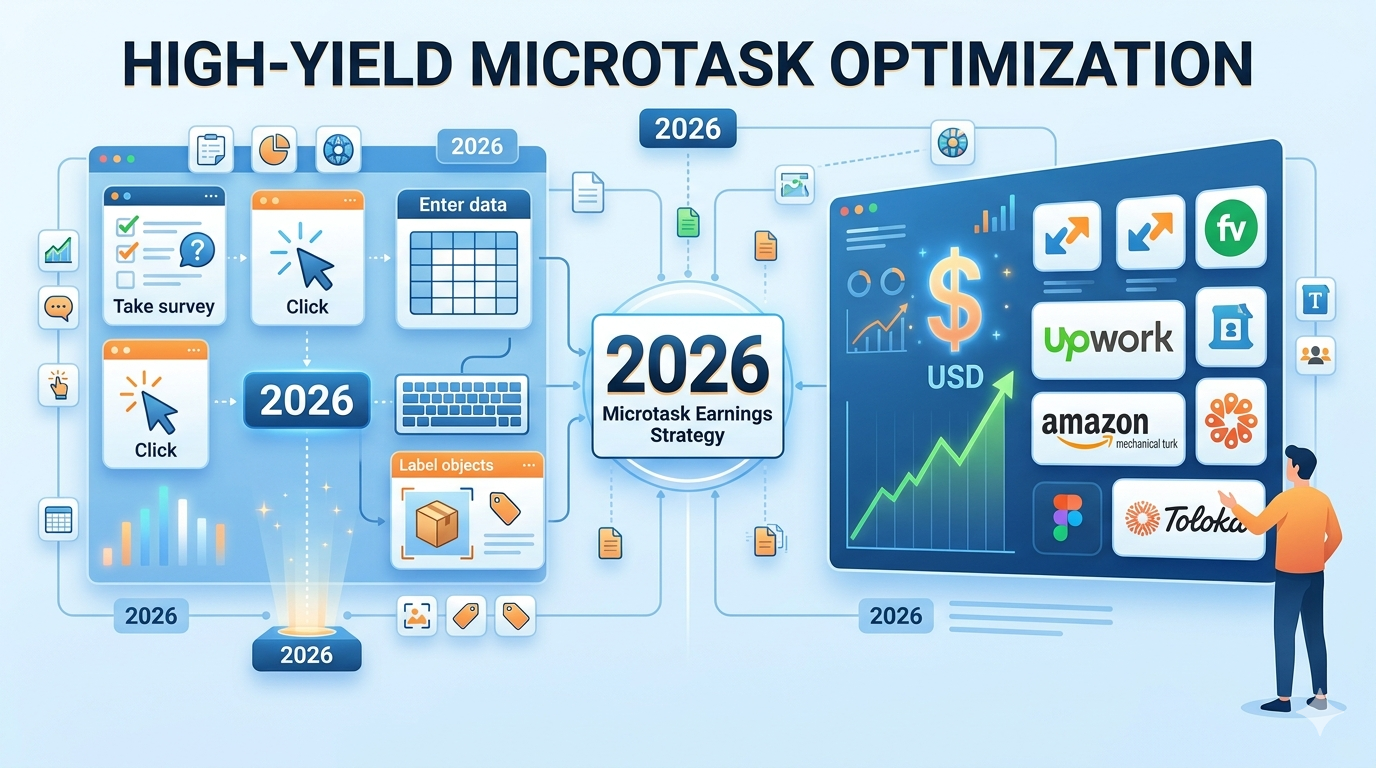
    In the rapidly shifting economic landscape of May 2026, the quest for high-yield microtasking has evolved from a casual side hustle into a sophisticated digital operation. As of today, May 21, 2026, American gig workers are navigating a unique intersection of high inflation—with the Consumer Price Index recently spiking to 3.8%—and landmark legislative shifts that have fundamentally altered the profitability of online work. To maximize USD earnings this year, the modern microtasker must move beyond the “click-and-earn” mentality and adopt a strategic portfolio approach that leverages the latest federal tax reliefs and the explosive growth of agentic AI.

    The most significant tailwind for US earners in 2026 is the implementation of the One Big Beautiful Bill Act (OBBBA), which has retroactively stabilized the gig economy’s tax burden. For those worried about the paperwork of small-scale earnings, the news is excellent: the IRS has officially reverted the 1099-K reporting threshold to $20,000 and 200 transactions. Furthermore, the 1099-NEC threshold for independent contractors has been raised from $600 to $2,000. This means you can diversify across multiple platforms like Amazon Mechanical Turk (MTurk), Prolific, and CloudResearch without being buried in tax forms for every few hundred dollars earned. However, the true “alpha” in 2026 lies in the new “No Tax on Tips” deduction, which allows eligible gig workers to deduct up to $25,000 in qualified tips. While traditionally associated with service roles, savvy microtaskers on platforms that allow “bonuses” for high-quality data work are finding new ways to categorize performance-based incentives under these favorable terms.

    To hit the high-yield mark of $12 to $15 per hour—a necessity given that energy prices have surged 17.9% this year due to ongoing geopolitical tensions—your strategy must center on AI-alignment tasks. Platforms like Appen and Remotasks have pivoted almost entirely toward “Red Teaming” and “RLHF” (Reinforcement Learning from Human Feedback). Instead of simple image tagging, the highest-paying tasks today involve evaluating the reasoning of autonomous AI agents. By developing “AI literacy”—a core career requirement in 2026—you can qualify for premium tiers that pay double the standard rate. The goal is to move away from high-volume, low-pay HITs and toward “reasoning-centric” tasks that require human nuance, which remains the most valuable commodity in the age of automation.

    Efficiency in 2026 is driven by “Agentic Workflows.” Successful earners are no longer just workers; they are managers of their own digital toolkits. Using localized AI assistants to handle administrative overhead—such as tracking earnings across JumpTask, Clickworker, and Freecash—allows you to focus 100% of your “human time” on the actual tasks. This is particularly crucial as real average weekly earnings in the US have seen a slight dip of 0.19% this month. To stay ahead of this curve, your portfolio should include at least one “gamified” platform like Freecash, which offers high-yield milestones for product testing, alongside a “stable” platform like Prolific for consistent, high-quality research studies that pay in real-time USD.

    Financial optimization is the final pillar of the 2026 strategy. With the Qualified Business Income (QBI) deduction now a permanent fixture of the tax code, you can effectively shield 20% of your microtasking profits from federal income tax. When combined with the higher 1099 thresholds, the net take-home pay for a strategic microtasker is higher today than it was at the start of the decade, despite the inflationary pressures on gas and groceries. As we watch the slow pace of international negotiations and the resulting volatility in the dollar, the ability to generate “on-demand” USD through a diversified stack of microtask platforms provides a critical financial buffer. By focusing on AI-centric tasks, leveraging OBBBA tax benefits, and maintaining a multi-platform presence, you aren’t just surviving the 2026 economy—you are mastering it. The key is to remain agile, keep your accuracy scores high to unlock “Master” status on platforms like MTurk, and always keep an eye on the latest IRS guidance to ensure you are capturing every deduction available to the modern American independent contractor.

  • Beyond the Savings Account: Strategic Investment Frameworks for Optimizing Short-Term Capital in 2026

    Beyond the Savings Account: Strategic Investment Frameworks for Optimizing Short-Term Capital in 2026

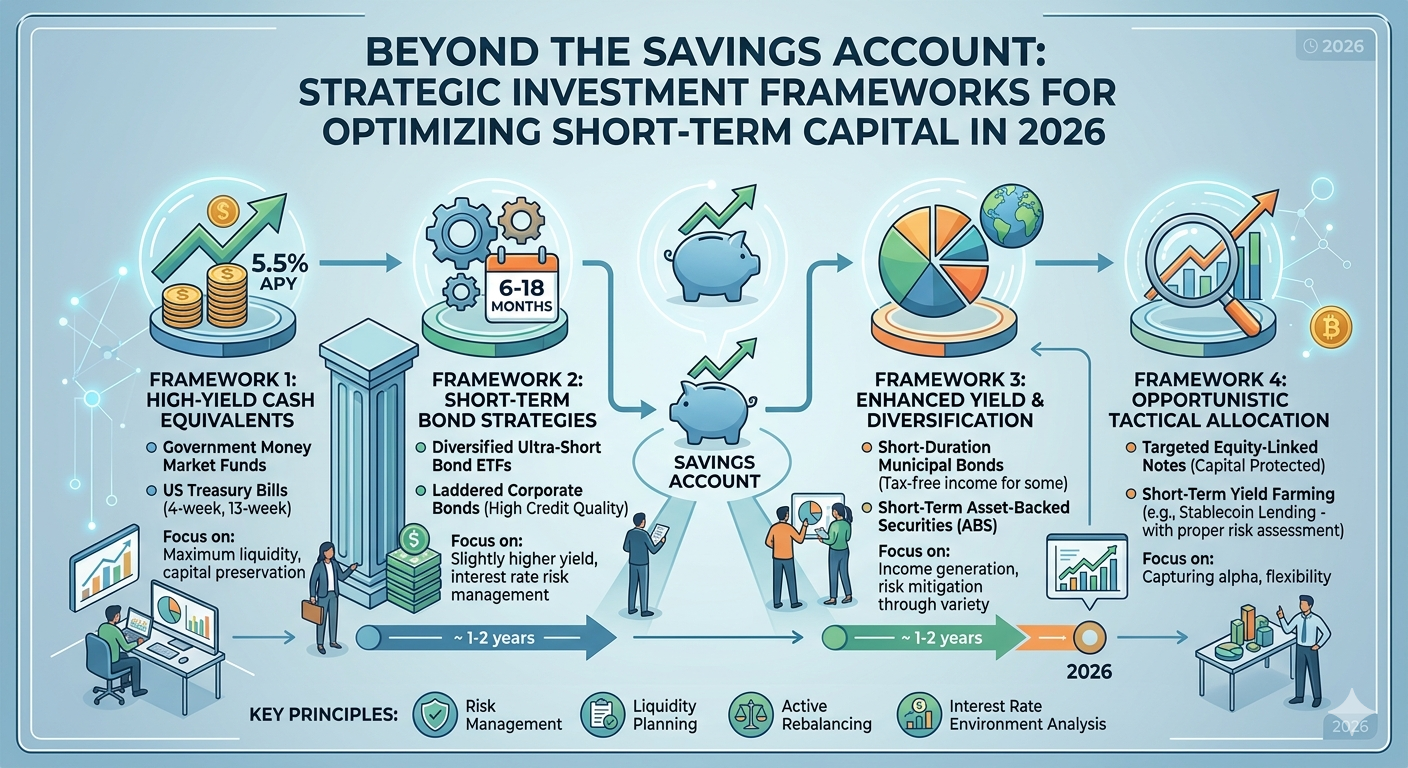
    As we navigate the midpoint of 2026, the American financial landscape has shifted into a complex new gear. For years, the high-yield savings account was the undisputed sanctuary for short-term capital, but the economic realities of today—May 21, 2026—demand a more sophisticated approach. With the Federal Reserve holding the benchmark interest rate in the 3.50% to 3.75% range and headline inflation recently ticking up to 3.8% due to persistent energy shocks, the “real” return on traditional cash is effectively zero or even slightly negative. To protect purchasing power and optimize liquidity, investors must look beyond the simple passbook and toward a strategic framework that accounts for the unique tax and regulatory environment of 2026.

    The most significant shift this year stems from the implementation of the One Big Beautiful Bill Act, which took full effect on January 1st. By making the 2017 tax brackets permanent and significantly increasing the State and Local Tax (SALT) deduction limit to $40,400 for 2026, the federal government has fundamentally altered the math for tax-equivalent yields. For high earners in states like New York or California, the increased SALT cap makes municipal money market funds and short-term “munis” far more attractive than they were just twelve months ago. When you factor in the current hawkish tilt of the Federal Open Market Committee under the new leadership of Kevin Warsh, the potential for further rate hikes to combat war-induced inflation means that staying “short” on the yield curve is not just a safety play—it is a tactical necessity.

    A modern framework for 2026 begins with tiered liquidity, a strategy that moves away from a single “emergency fund” bucket. Instead, savvy investors are bifurcating their short-term capital into “immediate” and “strategic” tiers. The immediate tier remains in high-yield accounts for instant access, but the strategic tier is increasingly flowing into the newly regulated world of tokenized money market funds. Following the SEC’s landmark 2025 rulings and the April 2026 implementation of intraday settlement for tokenized assets, these funds now offer something traditional mutual funds cannot: real-time liquidity without the T+1 settlement delay. By utilizing blockchain-based ledgers, these funds allow you to move from a yield-bearing asset into spendable cash in seconds, effectively eliminating the “cash drag” that used to plague brokerage accounts.

    For those looking to park capital for three to six months, U.S. Treasury bills remain the gold standard, currently yielding around 3.6% to 3.7%. However, the 2026 strategy involves more than just buying and holding. With the 10-year yield recently touching 4.5%, the yield curve remains a focal point of volatility. Investors are increasingly using “laddered” T-bill strategies to ensure that a portion of their capital is always maturing and ready to be reinvested at potentially higher rates if the Fed decides to tighten further this summer. This laddering approach provides a natural hedge against the “inflation spike” we’ve seen in the wake of recent global energy disruptions, ensuring that your capital isn’t locked into yesterday’s lower rates while today’s prices at the pump continue to climb.

    Furthermore, the 2026 tax landscape has introduced specialized vehicles that shouldn’t be ignored. The “Trump Accounts” for minors, which became available earlier this year, allow for up to $5,000 in annual after-tax contributions with tax-free growth—a powerful tool for parents looking to optimize short-term family capital. Similarly, the expanded flexibility of 529 plans, which now allow for higher K-12 withdrawal limits and broader applications for trade certifications, means that “short-term” education funds can be managed with much higher efficiency. By aligning these specific accounts with a portfolio of short-term corporate bond ETFs—which are currently offering a premium over Treasuries—investors can capture a 4% to 4.5% yield while maintaining the flexibility required for upcoming tuition or life expenses.

    Ultimately, optimizing short-term capital in 2026 is about agility and tax intelligence. The days of “set it and forget it” in a standard savings account are over. Whether you are leveraging the new SALT deduction limits to favor municipal debt or utilizing tokenized funds for instantaneous liquidity, the goal remains the same: outpacing a stubborn 3.8% inflation rate while keeping your powder dry for future opportunities. As the Federal Reserve prepares for its June meeting amid a divided board, the most successful investors will be those who treat their cash not as a static reserve, but as a dynamic, strategic asset class. In this environment, the framework of tiered liquidity, tax-aware allocation, and technological integration is the only way to ensure your capital works as hard as you do.

  • The 2026 Print on Demand Strategy: A Professional Framework for Automated E-commerce Success

    The 2026 Print on Demand Strategy: A Professional Framework for Automated E-commerce Success

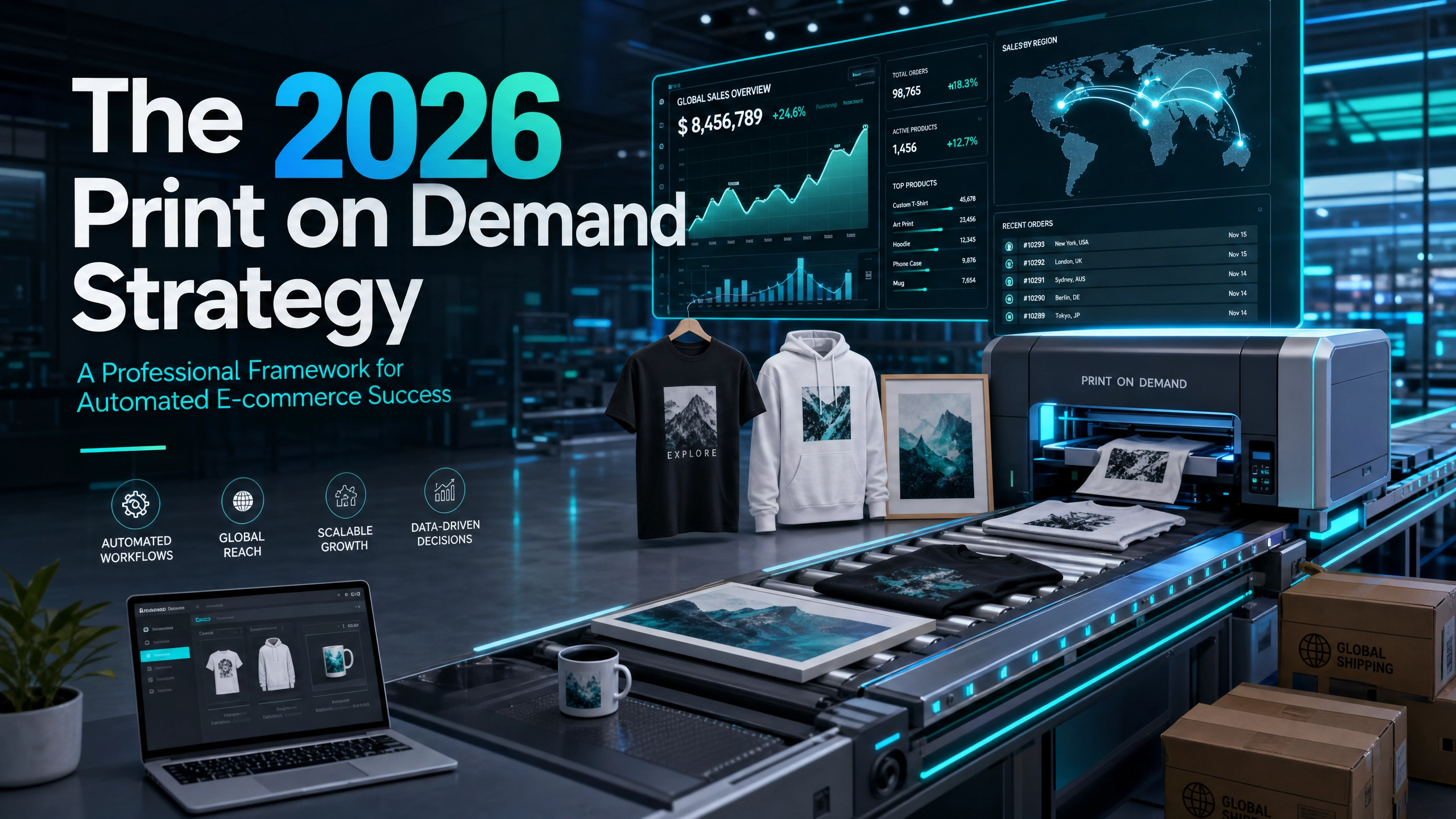
    The landscape of e-commerce has undergone a seismic shift as we move through the second quarter of 2026. For the modern entrepreneur, the “side hustle” era of print on demand has matured into a sophisticated, automated enterprise model. Success in today’s market is no longer about simply uploading a design to a marketplace and hoping for the best; it requires a professional framework that integrates predictive technology with a keen understanding of the current American economic climate. As of May 2026, the United States is navigating a complex financial period characterized by a 3.8% annual inflation rate and a Federal Reserve that has held interest rates steady at approximately 3.6%. While energy costs have seen a sharp 17.9% increase due to ongoing global tensions, the regulatory environment for small businesses has actually become more favorable, providing a unique window of opportunity for those who can execute with precision.

    The most significant tailwind for print on demand professionals this year is the recent passage of the One Big Beautiful Bill Act, which has fundamentally reshaped the tax reporting landscape. In a major win for online sellers, the federal 1099-K reporting threshold has been officially restored to $20,000 and 200 transactions, effectively repealing the much-debated $600 limit. This change, combined with the permanency of the 20% Small Business Deduction, allows entrepreneurs to reinvest more of their gross margins back into the automation tools that drive growth. However, with core inflation remaining “sticky,” the 2026 strategy must prioritize high-margin, premium products over the race-to-the-bottom pricing models of the past.

    A professional framework for 2026 begins with the integration of agentic AI into the design and research workflow. We have moved beyond basic generative prompts; the current gold standard involves deploying autonomous AI agents that monitor real-time social sentiment and predictive search data to identify micro-niches before they peak. By the time a trend hits the mainstream, a professional POD system has already generated brand-consistent assets and synced them across multiple sales channels. This proactive approach mitigates the risks associated with rising customer acquisition costs, ensuring that your marketing spend is directed toward high-intent audiences.

    Logistics and fulfillment have also become a primary differentiator in 2026. With gasoline and fuel oil prices seeing significant volatility this spring, the reliance on long-haul, international shipping is no longer a viable strategy for automated success. The professional framework now dictates a localized fulfillment model. By partnering with providers that utilize distributed manufacturing hubs across the U.S., sellers can offer the lightning-fast shipping speeds that American consumers now demand while insulating their profit margins from fluctuating trans-Pacific freight costs. This “local-first” automation not only reduces the carbon footprint—a key selling point for the 2026 consumer—but also minimizes the “real average weekly earnings” squeeze that many shoppers are currently feeling by keeping final delivery costs predictable.

    Furthermore, the 2026 strategy leverages the “Social Commerce 3.0” ecosystem. Platforms like TikTok Shop and YouTube Shopping have moved from experimental features to primary revenue drivers. A professional framework automates the bridge between these social storefronts and your POD backend, ensuring that a viral moment translates into immediate, error-free fulfillment. This year, the focus is on “shoppable entertainment,” where the automation handles the inventory-less supply chain, allowing the business owner to focus on high-level brand storytelling and community engagement.

    Compliance and financial hygiene have also taken center stage. With the 1099-NEC threshold rising to $2,000 this year, and new CFPB rules refining the definition of a small business, maintaining a clean digital paper trail is non-negotiable. The most successful operators are using automated bookkeeping integrations that reconcile every transaction in real-time, providing the data needed to navigate a “restrictive” monetary environment where access to traditional credit remains tight. By treating your print on demand venture as a high-tech logistics firm rather than a hobby, you position yourself to capitalize on the resilience of American private domestic demand.

    Ultimately, the 2026 print on demand framework is built on the pillars of regulatory relief, agentic AI, and localized logistics. While the broader economy faces headwinds from energy shocks and persistent inflation, the e-commerce sector continues to expand at a steady 2.0% GDP growth rate. For the professional who can automate the intersection of design, data, and delivery, the current environment offers a rare chance to build a scalable, resilient brand. The goal is no longer just passive income; it is the creation of an automated, professional system that thrives on the very volatility that once sidelined the casual seller. Success this year belongs to those who view these economic shifts not as obstacles, but as the blueprint for a more efficient, more profitable future.

  • trategic Funding Framework: The Professional Method for Securing Small Business Loans with Bad Credit

    trategic Funding Framework: The Professional Method for Securing Small Business Loans with Bad Credit

    Navigating the capital markets as a small business owner has always required a blend of persistence and precision, but in May 2026, the landscape has shifted into a new era of data-driven complexity. With the Wall Street Journal Prime Rate holding steady at 6.75% and the Federal Reserve maintaining a cautious target range of 3.5% to 3.75%, the cost of borrowing remains a significant consideration. However, for entrepreneurs facing the hurdle of a less-than-perfect credit score, the challenge is no longer just about the interest rate; it is about mastering a Strategic Funding Framework that aligns with the most recent shifts in federal policy and financial technology. Securing a loan with bad credit in today’s market is less about “fixing” a number and more about presenting a professional, multi-dimensional narrative of financial health that modern lenders are now equipped to reward.

    The first pillar of this professional method involves a fundamental shift from credit-centric to cash-flow-centric reporting. While traditional FICO scores remain a factor, the rise of sophisticated AI-driven underwriting in 2026 has allowed alternative lenders and even some community banks to prioritize real-time operational data. By integrating your accounting software directly with potential lenders, you provide a transparent view of your daily receivables, inventory turnover, and customer behavior. This “open banking” approach allows you to bypass the limitations of a stagnant credit score by proving that your business possesses the liquidity to service debt today, regardless of past financial setbacks. In the current high-inflation environment, where the Consumer Price Index is hovering near 3.8%, lenders are far more interested in your ability to maintain margins and manage cash than in a credit event from three years ago.

    Moving deeper into the framework, savvy business owners must leverage the specific federal programs that have been modernized to support underserved borrowers. As of May 2026, the SBA’s Community Advantage program has become a cornerstone for those with credit scores as low as 600. With a maximum loan amount of $350,000 and interest rates capped at Prime plus a regulated spread—currently landing between 9.75% and 13.25% for most small-dollar loans—this program is designed specifically for those who fall outside traditional bank criteria. It is critical to note that recent policy updates from the Small Business Administration have streamlined the application process for these mission-based lenders, often nonprofits or community development financial institutions (CDFIs), which are mandated to look at the “whole person” and the community impact of the business rather than just the balance sheet.

    The third component of the framework requires a sophisticated understanding of the regulatory environment, particularly the Consumer Financial Protection Bureau’s (CFPB) final rule on Section 1071, issued just weeks ago on May 1, 2026. This rule has significantly narrowed the scope of data collection for many smaller lenders, raising the reporting threshold to 1,000 originations annually. For the borrower, this means that the “paper trail” of your application may be handled differently depending on the size of the institution you approach. A professional approach involves targeting lenders who are still committed to transparency and fair lending standards, even as the regulatory burden on smaller banks has been eased. By preparing a comprehensive “Lender’s Package” that includes a detailed debt schedule, a two-year cash flow projection, and a written explanation of past credit issues, you provide the context that automated systems often miss.

    Finally, the professional method culminates in the strategic selection of the loan product itself. In 2026, the market has moved away from the predatory “daily-draw” merchant cash advances that once plagued the bad-credit space. Instead, the framework encourages the use of asset-based lending or revolving lines of credit that scale with your revenue. These products often carry lower effective APRs than traditional short-term loans and provide the flexibility needed to navigate a volatile economy. By focusing on “bridge to credit” strategies—using a higher-interest, short-term product to fund a specific growth initiative that will ultimately raise your credit score—you position your business for a future refinance into a traditional bank product once the Federal Reserve begins its projected easing cycle in 2027. Success in this environment is not found in a single application, but in a strategic, documented journey toward financial credibility.

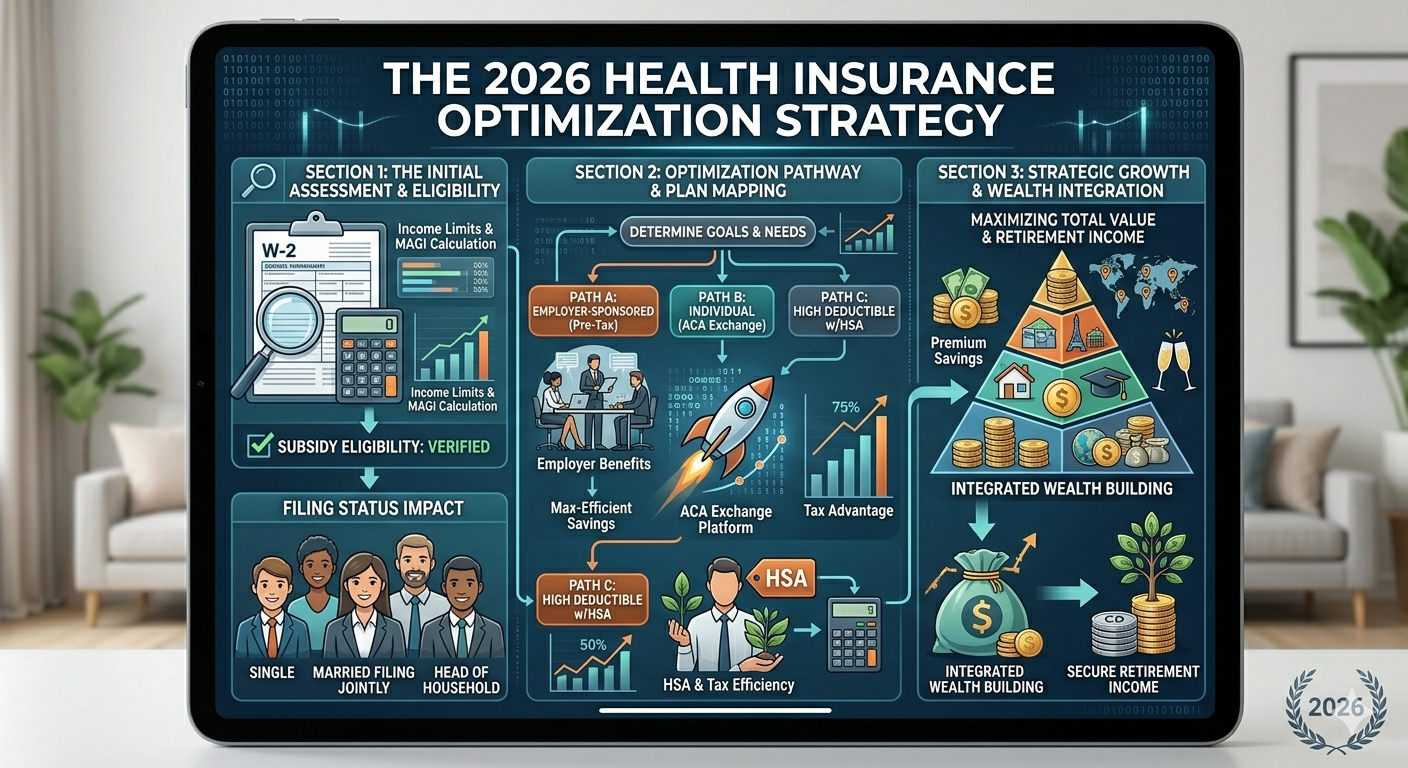
  • The 2026 Health Insurance Optimization Strategy: Proven Methods to Legally Reduce Your Monthly Premiums

    The 2026 Health Insurance Optimization Strategy: Proven Methods to Legally Reduce Your Monthly Premiums

    Navigating the American healthcare landscape in 2026 requires more than just a cursory glance at a provider directory; it demands a sophisticated financial strategy. As of May 2026, the expiration of the enhanced premium tax credits—originally introduced during the pandemic and extended through 2025—has created a seismic shift in how much the average household pays for coverage. For many, the “subsidy cliff” has returned with a vengeance, meaning that earning even a dollar over 400% of the Federal Poverty Level can result in a total loss of financial assistance. However, by understanding the latest legislative shifts, such as the Working Families Tax Cut and the new HSA eligibility rules, you can legally and effectively drive your monthly premiums down to manageable levels.

    The most potent weapon in your 2026 health insurance arsenal is the strategic management of your Modified Adjusted Gross Income, or MAGI. Because ACA subsidies are strictly tied to this number, reducing your taxable income can be the difference between a $200 monthly premium and a $1,200 one. For the 2026 tax year, the IRS has increased Health Savings Account contribution limits to $4,400 for individuals and $8,750 for families, with an additional $1,000 catch-up for those aged 55 and older. By maximizing these contributions, you aren’t just saving for future medical needs; you are actively lowering the income figure the government uses to calculate your subsidy eligibility. When combined with pre-tax contributions to 401(k) or traditional IRA accounts, many middle-class families can effectively “buy back” their subsidies by sliding just under the eligibility threshold.

    A major breakthrough for 2026 is the universal expansion of HSA-eligible plans. Under the recent Working Families Tax Cut legislation, the federal government has mandated that all Bronze and Catastrophic plans on the Marketplace are now HSA-compatible. Previously, many of these low-premium options did not allow for tax-advantaged savings, forcing consumers to choose between a low monthly bill and a tax break. Now, you can opt for a high-deductible Bronze plan to keep your fixed monthly costs at their absolute minimum while using the HSA to pay for out-of-pocket expenses with tax-free dollars. This “Bronze-plus-HSA” strategy is particularly effective for 2026, as average silver plan premiums have surged by nearly 30% in many states following the sunset of enhanced federal funding.

    Beyond the Marketplace, the 2026 strategy involves leveraging new transparency tools and prescription drug initiatives. The expansion of TrumpRx.gov has introduced a centralized platform where patients can access more than 600 generic medicines at cash prices that often undercut insurance copays. In many cases, it is now cheaper to pay the “cash price” for maintenance medications than to run them through a high-deductible insurance plan. Furthermore, the Inflation Reduction Act’s provisions have finally capped out-of-pocket drug costs for seniors and negotiated lower prices for several high-cost specialty drugs, providing much-needed relief for those on Medicare Part D. For those under 65, the key is to use these transparency tools to “unbundle” your care—using insurance only for catastrophic protection while paying cash for routine prescriptions and lab work.

    For individuals who find themselves completely priced out of traditional ACA plans, 2026 has seen a rise in alternative models like Direct Primary Care (DPC) and medical cost-sharing communities. While these are not traditional insurance, they are increasingly being used in tandem with high-deductible “wrap-around” catastrophic plans. A DPC membership typically costs between $60 and $100 a month and provides unlimited access to a primary doctor, which can prevent the need for expensive urgent care visits that would otherwise be subject to a high deductible. When paired with a multi-year catastrophic plan—now allowed for up to 10 consecutive years under recent CMS rule changes—this hybrid approach can provide a safety net at a fraction of the cost of a traditional Gold or Silver plan.

    As we look toward the 2027 plan year, there is a glimmer of hope on the horizon. The Centers for Medicare & Medicaid Services (CMS) recently finalized a rule to lower federal exchange user fees, which is expected to put downward pressure on premiums starting next January. However, for the remainder of 2026, the burden of cost-control lies with the consumer. The “Great Healthcare Plan” initiatives currently being rolled out emphasize direct-to-consumer funding and price transparency, but they require an active participant to reap the rewards. By auditing your current plan, maximizing your HSA, and utilizing cash-pay platforms for prescriptions, you can navigate the 2026 premium surge without sacrificing the quality of your care or the stability of your bank account. Proactive income planning today is the most effective way to ensure that your health insurance remains a tool for protection rather than a source of financial strain.