Blog

  • Roth IRA Conversion Optimization: The Definitive 2026 Strategic Framework

    Roth IRA Conversion Optimization: The Definitive 2026 Strategic Framework

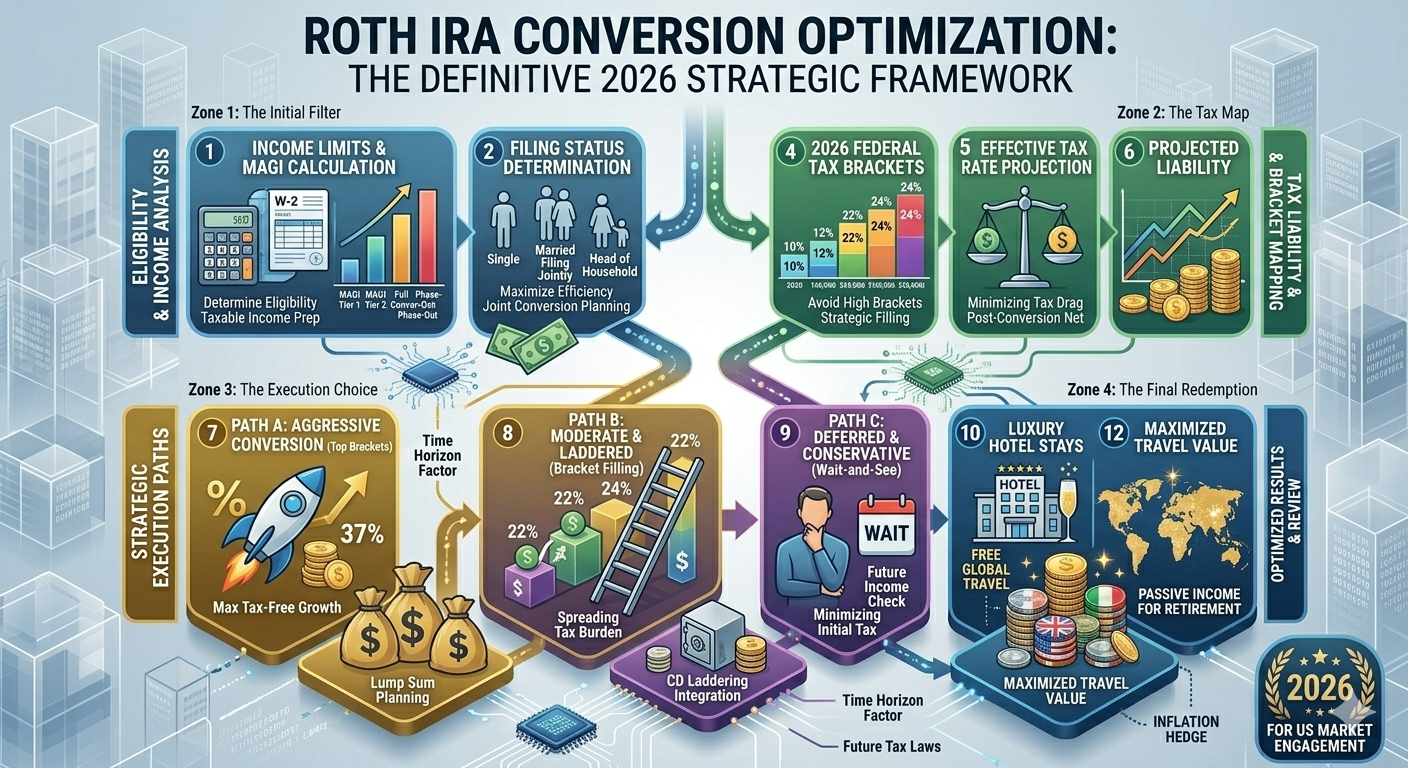
    As we navigate the mid-point of 2026, the American retirement landscape has reached a pivotal juncture. With the recent passage of the One Big Beautiful Bill Act (OBBBA), which effectively made the 2017 tax reform brackets permanent, the “sunset anxiety” that dominated financial planning for years has finally dissipated. However, this new stability doesn’t mean you should settle for a passive strategy. In fact, the 2026 Strategic Framework for Roth IRA conversions is more nuanced than ever, requiring a sophisticated blend of tax bracket management, legislative compliance, and forward-looking asset allocation.

    The foundation of any 2026 optimization plan begins with the updated Internal Revenue Service (IRS) limits. For the current tax year, the individual Roth IRA contribution limit has climbed to $7,500, with a catch-up provision for those aged 50 and older bringing the total to $8,600. For high-earning professionals, the income phase-out ranges have shifted upward to $153,000–$168,000 for single filers and $242,000–$252,000 for those married filing jointly. While these limits dictate direct contributions, the “Backdoor” and “Mega Backdoor” Roth strategies remain the primary engines for significant wealth migration into tax-free status, especially as the 24% tax bracket continues to offer a massive “sweet spot” for conversions, topping out at $403,550 for married couples.

    One of the most significant shifts in the 2026 framework is the full integration of SECURE Act 2.0 provisions. We are now seeing the “Super Catch-up” in full effect for workers aged 60 to 63, who can contribute up to $11,250 to their workplace plans. Crucially, for those who earned more than $145,000 in the prior year, these catch-up contributions must now be made on a Roth basis. This mandate has fundamentally changed the “Traditional vs. Roth” debate for mid-career executives, effectively forcing a level of tax diversification that was previously optional. Furthermore, the 529-to-Roth rollover has become a mainstream tactical tool. In 2026, beneficiaries can move up to $7,500 of unused 529 funds into a Roth IRA, provided the account has been open for 15 years. This allows families to pivot educational savings into a retirement head-start without the sting of penalties.

    Optimization in 2026 is not just about moving money; it is about the surgical precision of “bracket filling.” With the 24% marginal rate now a permanent fixture, the strategic goal for many retirees is to convert just enough traditional IRA assets to hit the ceiling of that bracket without spilling into the 32% tier. This is particularly vital for those in the “Golden Window”—the years between retirement and the start of Required Minimum Distributions (RMDs) at age 73 or 75. By aggressively converting during these low-income years, you effectively “pre-pay” your taxes at a known, lower rate, thereby shrinking the future RMDs that could otherwise trigger higher Medicare Part B and D premiums via the Income-Related Monthly Adjustment Amount (IRMAA). Remember that IRMAA uses a two-year lookback, so your conversion decisions today in May 2026 will
  • The Resilient Reserve Strategy: A Professional Framework for Automated Emergency Fund Optimization

    The Resilient Reserve Strategy: A Professional Framework for Automated Emergency Fund Optimization

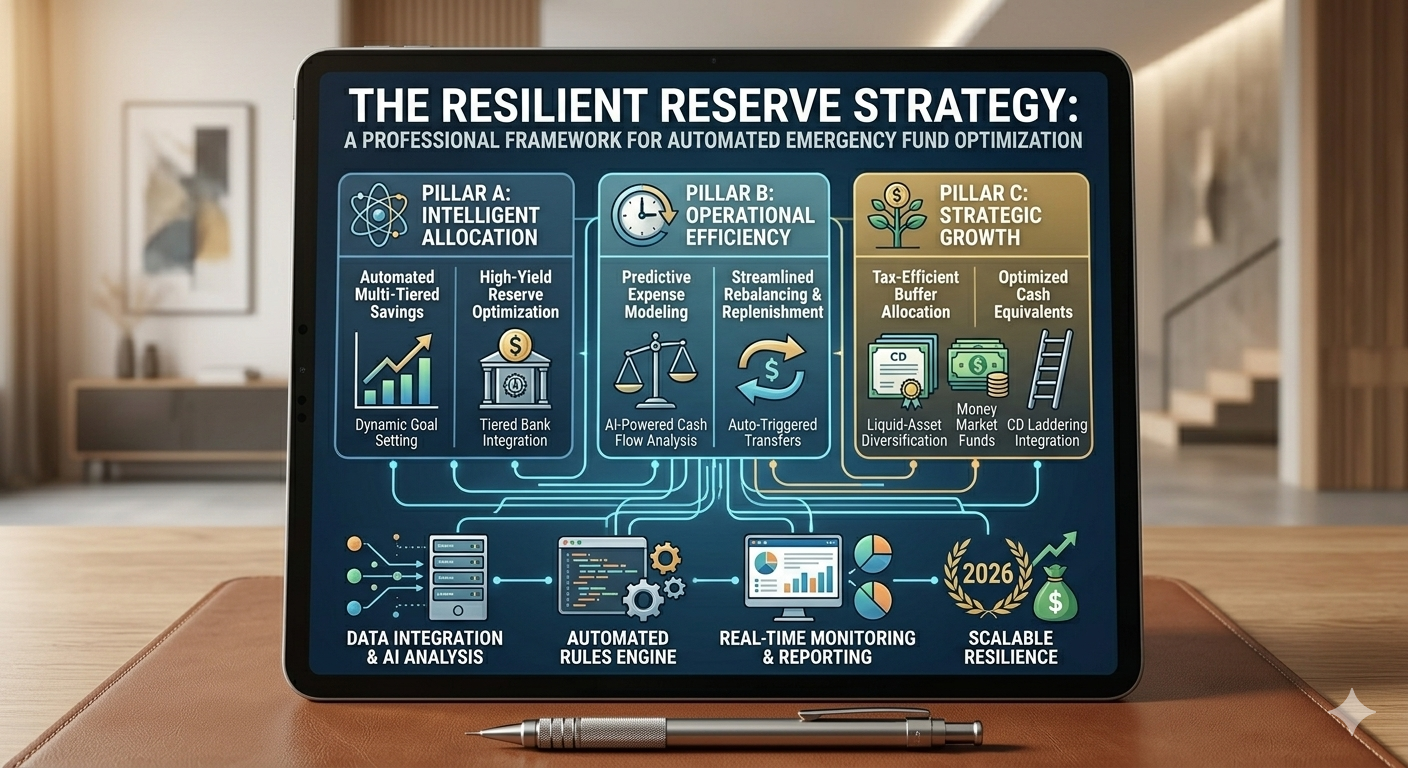
    In the volatile economic landscape of May 2026, the traditional advice of stashing three to six months of expenses in a static savings account has become an outdated relic. With the Federal Reserve maintaining a “higher-for-longer” stance—holding the federal funds rate steady at 3.5 to 3.75 percent—and headline inflation recently spiking to 3.8 percent due to persistent energy shocks, the opportunity cost of idle cash has never been higher. To navigate this environment, sophisticated US savers are turning to the Resilient Reserve Strategy, a professional framework that leverages the latest in automated financial technology and the 2026 regulatory shift toward open banking to ensure every dollar of an emergency fund is working at its maximum potential.

    The foundation of this strategy lies in dynamic liquidity management rather than fixed-sum hoarding. In an era where core PCE inflation is running at an annualized 4.3 percent, a stagnant emergency fund is effectively a leaking bucket. The Resilient Reserve Strategy replaces the “set it and forget it” mindset with an AI-driven sweep architecture. By utilizing the new Personal Financial Data Rights Rule that took effect for major US banks this April, savers can now grant secure, standardized access to their cash flow data to third-party optimization tools like Vera or Origin. These platforms use predictive algorithms to analyze your specific spending volatility, identifying the precise “safe-to-save” margin each week. Instead of a monthly manual transfer, funds are swept into high-yield environments in real-time, capturing the elevated yields currently offered by top-tier digital banks and money market funds which are still hovering near 5 percent.

    Optimization in 2026 also requires a keen understanding of the “One Big Beautiful Bill Act” (OBBBA) and its impact on household liquidity. For instance, the 2026 tax year has introduced the “Trump account,” a specialized savings vehicle allowing up to $5,000 in annual contributions that can serve as a secondary tier of a family’s resilient reserve. Furthermore, with Health Savings Account (HSA) limits rising to $4,400 for individuals and $8,750 for families this year, the Resilient Reserve Strategy treats the HSA not just as a medical fund, but as a triple-tax-advantaged emergency tier for health-related shocks. By automating contributions to these specific buckets first, you create a multi-layered defense that protects your primary cash reserves from being depleted by predictable, yet irregular, expenses.

    The “resilient” aspect of this framework refers to its ability to adapt to the “new normal” of 2026 borrowing costs. With 30-year mortgage rates projected to stay near 6.3 percent through the summer and credit card APRs remaining at historic highs, the cost of an unplanned debt spiral is catastrophic. A professional-grade automated reserve doesn’t just sit in a vault; it acts as a proactive buffer. Modern AI money coaches now offer “overdraft interception,” which uses real-time monitoring to move funds from your high-yield reserve back to your checking account 48 hours before a projected shortfall. This automated “self-lending” mechanism eliminates the risk of high-interest bridge loans or predatory fees, effectively turning your emergency fund into a private, interest-free credit line.

    For US readers looking to implement this today, the first step is auditing your current banking stack for compatibility with the 2026 open banking standards. If your primary institution isn’t providing the API-level transparency required for these automated tools, the Resilient Reserve Strategy dictates a move to a more agile provider. In a market where the gap between a laggard national bank’s 0.01 percent interest and a fintech-driven 5.1 percent yield is wider than ever, the friction of switching is a small price to pay for long-term solvency. By integrating these automated sweeps, tax-advantaged buckets, and AI-driven forecasting, you aren’t just saving for a rainy day; you are building a sophisticated financial engine designed to thrive in an economy defined by high rates and rapid shifts. The Resilient Reserve Strategy ensures that while the market may be unpredictable, your financial foundation remains both automated and unshakeable.

  • The 2026 Strategy for Securing High-Hourly Remote Positions: A Professional Framework

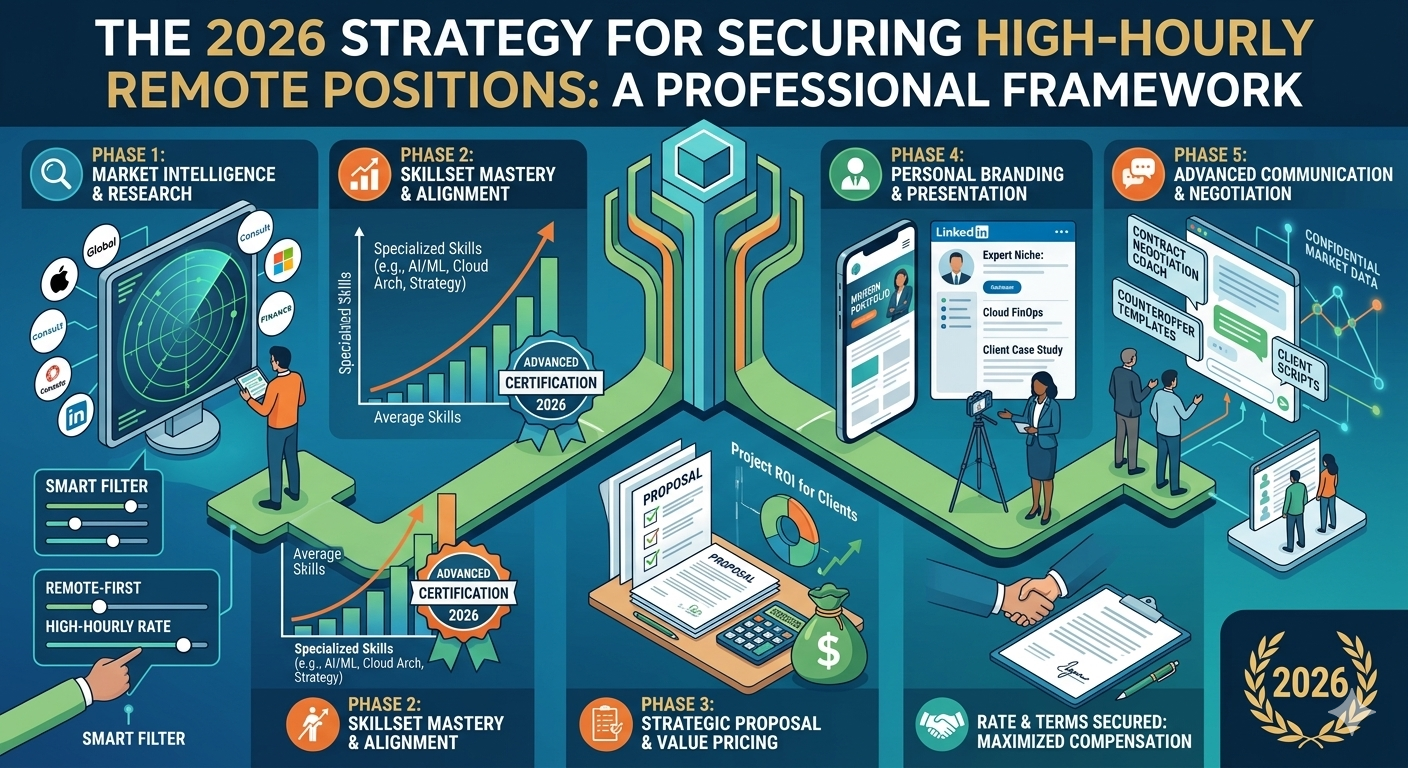
    The 2026 Strategy for Securing High-Hourly Remote Positions: A Professional Framework

    The landscape of the American workforce has undergone a profound transformation as of May 2026, shifting from the experimental flexibility of the early 2020s into what is now a highly disciplined “Expert Economy.” For professionals seeking high-hourly remote positions today, the strategy is no longer about simply finding a company that allows off-site work; it is about positioning oneself as a high-value asset within a complex macroeconomic environment defined by stabilizing interest rates, evolving tax codes, and the total integration of artificial intelligence into professional workflows.

    As we navigate the second quarter of 2026, the Federal Reserve, now under the leadership of Chair Kevin Warsh, has maintained a steady federal funds rate in the 3.5% to 3.75% range. While this has cooled the frantic hiring cycles of the past, it has created a premium on “revenue-critical” talent. Companies are no longer hiring remote generalists; they are seeking specialists who can drive immediate fiscal impact. To secure a high-hourly rate in this climate, your framework must begin with a pivot toward roles that directly influence the bottom line. Interestingly, recent data shows that remote Account Executives and Sales Consultants have overtaken software engineers as the most in-demand remote titles. This shift reflects a corporate world that is prioritizing growth and market share in a “higher-for-longer” interest rate environment.

    Beyond role selection, a sophisticated understanding of the current US tax landscape is a mandatory component of the 2026 professional framework. With the implementation of the “One Big Beautiful Bill”—also known as the Working Families Tax Cut of 2025—many of the individual tax provisions that were once temporary have become permanent fixtures. For high-earning remote professionals, particularly those operating as 1099 contractors or fractional leaders, this means navigating a system that rewards strategic income structuring. The 2026 strategy involves leveraging the permanent increase in the standard deduction while carefully managing the phase-outs for specialized deductions like the “no tax on tips” provision for those in the service-adjacent consulting sectors. Understanding how your hourly rate translates to net-take-home pay under these 2026 rules is essential for effective contract negotiation.

    The technological baseline has also shifted. In 2026, “AI literacy” is no longer a buzzword to include on a resume; it is a fundamental requirement for any role commanding over $150 per hour. High-hourly remote positions now require fluency in autonomous agent orchestration and AI-driven data synthesis. Employers are looking for “AI-augmented” professionals who can produce the output of a three-person team. Furthermore, as virtual reality and spatial computing have moved from novelty to utility, the ability to lead distributed teams in immersive digital environments has become a key differentiator. If you are not yet comfortable managing a project roadmap within a 3D collaborative space, you are likely leaving money on the table.

    Perhaps the most effective strategy for maximizing hourly compensation in 2026 is the “Fractional Pivot.” Rather than seeking a single full-time remote employer, top-tier professionals are increasingly adopting a portfolio career model, serving as fractional CFOs, COOs, or Head of Growth for two or three mid-sized firms simultaneously. This approach not only mitigates the risk of the layoffs that 23% of workers still fear this year but also allows for a significantly higher effective hourly rate. By selling “outcomes” rather than “hours,” and utilizing the 2026 tax advantages for pass-through business income, fractional experts are the highest earners in the remote market.

    Securing these positions requires a departure from traditional job boards. The 2026 framework relies heavily on “verified expertise” networks and niche professional communities where trust is the primary currency. In a world where AI can generate a perfect cover letter in seconds, your personal brand must be anchored in documented, verifiable results. Whether it is a public GitHub repository for engineers or a verified case study portfolio for growth marketers, your digital footprint must prove that you can thrive in an asynchronous, high-accountability environment.

    Ultimately, the 2026 strategy for high-hourly remote work is one of intentionality and adaptation. By aligning your skills with the revenue-focused demands of the current economy, mastering the nuances of the 2025-2026 tax reforms, and embracing the fractional leadership model, you can secure a position that offers both the flexibility you desire and the high-level compensation your expertise deserves. The market is competitive, but for the professional who treats their career as a strategic enterprise, the opportunities have never been more lucrative.

  • The Advanced Method About How to negotiate a lower interest rate on an existing mortgage

    The Advanced Method About How to negotiate a lower interest rate on an existing mortgage

    Navigating the United States housing market in May 2026 requires a more sophisticated approach than in years past, as the interplay between stabilizing interest rates and record-high loan limits has fundamentally shifted the math for prospective buyers. As of today, May 21, 2026, the decision between an FHA loan and a conventional mortgage is no longer just about credit scores; it is a strategic maneuver involving long-term equity growth, monthly cash flow optimization, and the utilization of the Federal Housing Finance Agency’s expanded borrowing power. With the national baseline conforming loan limit now sitting at a robust $832,750—an increase of over $26,000 from last year—and the FHA floor rising to $541,287, the 2026 homebuyer has more leverage than ever, provided they understand how to deploy these tools against the current economic backdrop.

    The current interest rate environment, which has seen the 30-year fixed mortgage average hover between 6.3% and 6.5% this month, demands a careful look at the total cost of borrowing. While inflation has proven stubborn at 3.8%, keeping the Federal Reserve’s benchmark rate in the 3.5% to 3.75% range, the relative stability of mortgage rates has allowed for a more predictable comparison between loan products. For many, the FHA loan remains the premier entry point, particularly for those navigating the 2026 market with a credit score between 580 and 620. The FHA’s primary advantage continues to be its flexibility regarding debt-to-income (DTI) ratios, often allowing for a DTI as high as 43% to 50%, which is crucial in a year where home prices have continued their modest but steady 3.2% annual appreciation.

    However, the strategic “win” for FHA borrowers in 2026 is the significantly reduced annual Mortgage Insurance Premium (MIP). Most new FHA borrowers are now benefiting from an annual MIP of just 0.55%, a far cry from the higher rates of the early 2020s. This reduction can save a typical buyer nearly $1,000 a year, making the FHA option more competitive with conventional Private Mortgage Insurance (PMI) than it has been in decades. The catch, of course, remains the persistence of this insurance; unless you provide a 10% down payment to trigger an 11-year cancellation, FHA mortgage insurance typically lasts for the life of the loan. In a market where rates are expected to plateau in the low 6% range for the foreseeable future, the inability to shed that insurance without a full refinance is a critical factor to weigh against the lower initial barrier to entry.

    Conversely, the conventional loan path in 2026 is the preferred framework for those with credit scores above 720 who are looking to maximize their purchasing power in high-cost areas. With the 2026 ceiling for conforming loans reaching $1,249,125 in expensive markets, the “jumbo” threshold has been pushed further out, allowing more buyers to access standard conventional terms on high-value properties. The primary strategic advantage of the conventional loan today is the “disappearing” nature of PMI. Unlike the FHA’s permanent MIP, conventional PMI automatically terminates once you reach 22% equity, or can be requested off at 20%. In a 2026 landscape where home price growth is slowing to a more sustainable 3.2% pace, the ability to eliminate a monthly insurance payment through natural appreciation or principal pay-down is a powerful wealth-building lever.

    For the first-time buyer in May 2026, the “Conventional 97” or similar 3% down programs continue to challenge the FHA’s 3.5% down requirement. If your credit score is 660 or higher, the conventional 3% down option often yields a lower monthly payment because the PMI is risk-based—meaning a higher credit score results in a lower insurance premium. However, if your score is below 680, the FHA’s flat-rate MIP of 0.55% often beats the expensive PMI quotes found on the conventional side. This “680 pivot point” has become a rule of thumb for savvy 2026 buyers: above 680, look conventional to save on insurance; below 680, look FHA to protect your monthly budget.

    Ultimately, optimizing a 2026 home purchase is about matching your specific financial profile to the updated limits and rates of the current quarter. With the FHFA and HUD having adjusted limits upward to reflect the 3.26% increase in average U.S. home values over the past year, the “affordability gap” is being bridged by policy, even if the market remains competitive. Whether you choose the FHA route for its lenient DTI and low-cost insurance for lower-credit tiers, or the conventional route to capitalize on the $832,750 baseline and cancellable PMI, the goal is the same: securing a fixed-rate asset in an era of persistent inflation. By applying this strategic framework, you can move from a position of uncertainty into a confident, data-driven home purchase that aligns with the unique

  • The Advanced Method About How to negotiate a lower interest rate on an existing mortgage

    The Advanced Method About How to negotiate a lower interest rate on an existing mortgage

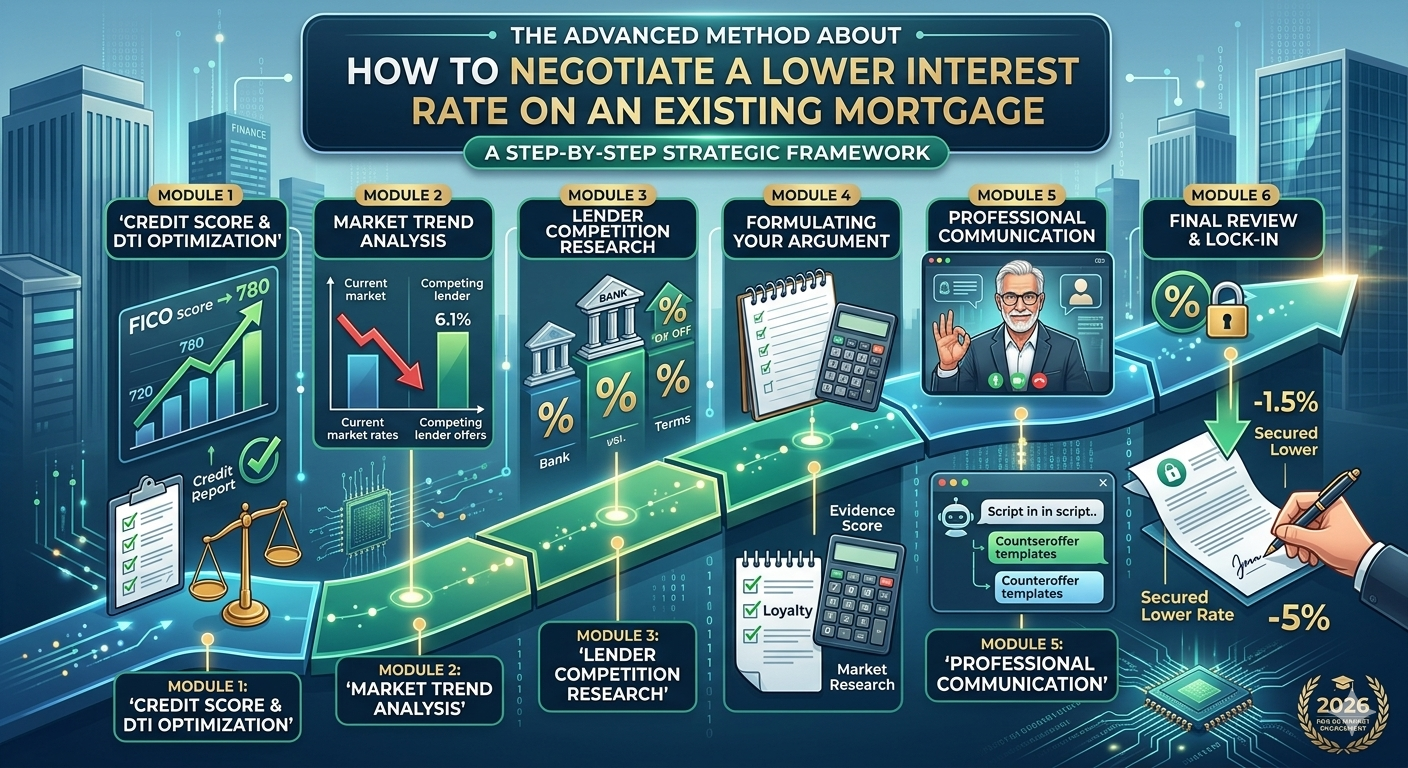
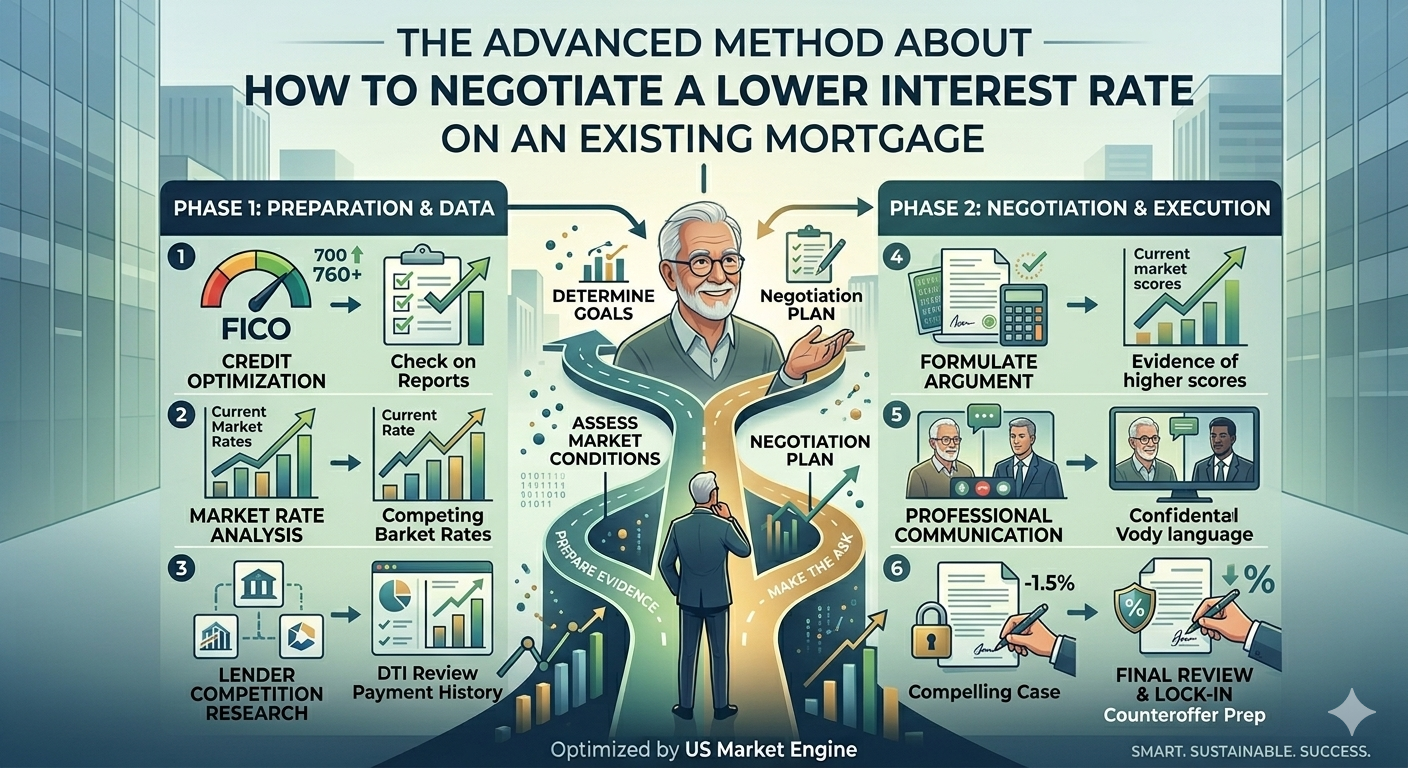
    In the current financial climate of May 2026, many American homeowners feel caught in a high-interest pincer movement. With the Federal Reserve recently holding the benchmark rate steady at 3.50% to 3.75% and 30-year fixed mortgage rates hovering stubbornly around 6.82%, the dream of a sub-3% refinance feels like a relic of a distant past. However, the advanced method for securing a lower interest rate on an existing mortgage does not rely on waiting for a market-wide collapse in rates. Instead, it involves a sophisticated blend of psychological leverage, credit tier optimization, and the strategic use of lender retention protocols that most consumers never see.

    To begin this advanced negotiation, you must understand the internal pressures facing US lenders today. In a market where purchase applications have slumped due to persistent inflation and Middle East-driven energy shocks, banks are terrified of losing the “good” loans they already have. This is your primary leverage. The process starts not with a customer service representative, but with a formal request to the lender’s retention or “loss mitigation” department. You are not asking for a favor; you are presenting a case for why it is more profitable for them to lower your rate than to lose your servicing rights to a competitor.

    Before making that call, you must perform a “credit tier jump.” In 2026, the pricing gap between a 740 FICO score and a 780+ score has widened significantly. Lenders are currently rewarding “Financial Fort Knox” profiles with relationship discounts that aren’t advertised on their websites. If you have spent the last year paying down revolving debt or correcting errors on your report, you must present your updated profile as a reason for a “loan modification for credit improvement.” While traditionally used for hardship, savvy borrowers are now using this as a tool to request a rate adjustment based on their decreased risk profile.

    Another advanced tactic involves the “Competing Quote Gambit” paired with a soft-pull credit authorization. Obtain a formal Loan Estimate from a digital-first lender or a local credit union, which are currently aggressive in their 2026 growth targets. Take this estimate to your current servicer’s retention officer and explicitly state that you are prepared to initiate a payoff. Because the cost for a lender to acquire a new customer in today’s market is estimated to be upwards of $3,000, they often have a “discretionary rate desk” that can shave 0.25% to 0.50% off your current rate just to keep the loan on their books. This is often referred to as a “rapid repricing” and avoids the thousands of dollars in closing costs associated with a traditional refinance.

    If a direct rate cut is rebuffed, shift the negotiation to a “mortgage recast.” This is a powerful, underutilized tool in the 2026 toolkit. By making a lump-sum payment toward your principal—perhaps from a bonus or the sale of other assets—and paying a small administrative fee (usually around $250 to $500), the lender will re-amortize your loan based on the new, lower balance. While this doesn’t change the interest percentage itself, it dramatically lowers your monthly interest obligation and total interest paid over the life of the loan. In an era of 6.5% to 7% rates, the “effective” interest savings of a recast can often outperform the stock market’s current volatility.

    Furthermore, do not overlook the impact of Private Mortgage Insurance (PMI). With home prices in many US markets having risen by 3.2% over the last year, you may have crossed the 20% equity threshold sooner than expected. Negotiating the immediate removal of PMI is equivalent to a significant “effective” rate reduction. An advanced move is to pay for a new appraisal to prove your loan-to-value ratio has dropped, then use that new valuation to demand a “tier-based rate review.”

    Finally, persistence is the hallmark of the advanced negotiator. The mortgage market of May 2026 is defined by “two-speed” volatility; what a lender says “no” to on a Tuesday might be a “yes” on a Friday after a disappointing jobs report or a shift in 10-year Treasury yields. By positioning yourself as an informed, high-value borrower who understands the lender’s own cost of customer acquisition, you move from a position of asking for a break to one of negotiating a business deal. In this high-stakes environment, the lower rate doesn’t go to the person who waits for the Fed—it goes to the person who knows how to trigger the bank’s internal “save” protocols.

  • The Advanced Method About Top dividend growth stocks for reliable retirement income

    The Advanced Method About Top dividend growth stocks for reliable retirement income

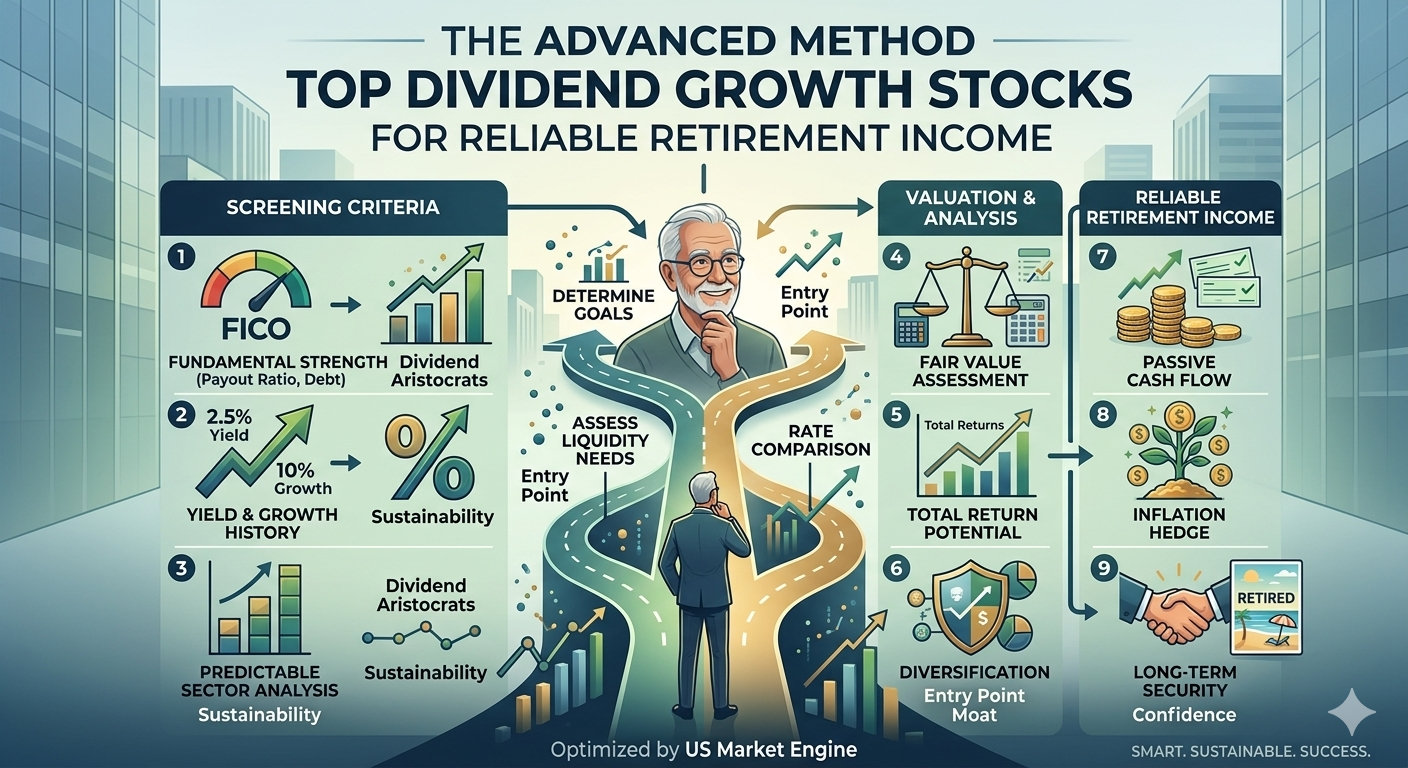
    In the current economic landscape of May 2026, securing a reliable retirement income requires more than just a traditional “buy and hold” strategy. With the Federal Reserve maintaining interest rates in the 3.5% to 3.75% range and headline inflation hovering around 3.8% due to persistent energy pressures, the “Advanced Method” for dividend investing has shifted. It is no longer enough to simply chase the highest yields; instead, sophisticated investors are prioritizing dividend growth—the ability of a company to consistently increase its payout faster than the rate of inflation. This approach ensures that your purchasing power remains intact even as the cost of living climbs, a critical factor given the recent volatility in global energy markets and the ongoing economic shifts driven by the artificial intelligence boom.

    The foundation of this advanced method lies in identifying “Dividend Aristocrats” and “Kings” that possess the free cash flow to sustain raises regardless of the macro environment. For instance, companies like Sysco (SYY), which recently celebrated 56 years of consecutive dividend increases, and Watsco (WSO), a leader in the HVAC sector with a 3.1% yield and a double-digit five-year growth rate, represent the type of resilience needed today. While high-yield options like Pfizer (PFE) offer an attractive 6.6% entry point, the advanced investor looks deeper at the payout ratio and earnings growth expectations for 2026 to ensure the dividend isn’t just a “yield trap” but a growing stream of wealth.

    Tax efficiency is the second pillar of a successful 2026 retirement strategy. As of today, the IRS has adjusted contribution limits to account for the current inflationary environment, allowing individuals to shield more of their income from the taxman. For the 2026 tax year, the 401(k) contribution limit has risen to $24,500, while the IRA limit stands at $7,500. For those nearing retirement, the “super catch-up” provision introduced by SECURE 2.0 is now in full effect; if you are between the ages of 60 and 63, you can contribute an additional $11,250 to your workplace plan, bringing your total potential deferral to $35,750. However, a critical new policy for 2026 requires high earners—those with prior-year wages exceeding $150,000—to make these catch-up contributions on a Roth basis. This means paying taxes now to enjoy tax-free withdrawals later, a move that can be highly advantageous if you expect tax rates to rise in the future.

    When managing these stocks in a taxable brokerage account, understanding the 2026 qualified dividend tax brackets is essential for maximizing your take-home pay. Most retirees will find their qualified dividends taxed at a preferential 15% rate, but for those with a total taxable income below $49,450 (single) or $98,900 (married filing jointly), that rate drops to a staggering 0%. Strategically timing your capital gains and dividend distributions to stay within these thresholds can effectively give you a “tax-free” raise. Conversely, high-net-worth investors must remain mindful of the 3.8% Net Investment Income Tax, which applies to those with modified adjusted gross incomes over $200,000 for individuals or $250,000 for couples.

    Beyond the numbers, the advanced method requires a sector-specific lens tailored to the 2026 reality. Real Estate Investment Trusts (REITs) like Realty Income (O) remain a staple for their monthly distributions, currently yielding over 5%, which aligns perfectly with the monthly billing cycles of most retirees. Meanwhile, technology-adjacent dividend payers are gaining favor as the AI-driven productivity wave begins to reflect in corporate balance sheets. By focusing on companies with low debt-to-equity ratios and robust competitive moats, you protect your principal from the “hawkish drift” seen in recent Federal Reserve minutes.

    Ultimately, the goal of top-tier dividend growth investing is to create a self-sustaining “income engine.” By reinvesting dividends during your final working years and then switching to cash distributions upon retirement, you leverage the power of compounding without the need to sell shares during market downturns. In a world where Social Security’s long-term outlook remains a topic of debate and traditional bond yields struggle to outpace core PCE inflation, this advanced method provides the autonomy and reliability necessary for a dignified American retirement. By staying informed on the latest IRS limits and focusing on quality over quantity, you can transform a volatile market into a source of enduring financial peace.

  • Navigating the 2026 Tax Landscape: A Strategic Framework for Federal Bracket Optimization

    Navigating the 2026 Tax Landscape: A Strategic Framework for Federal Bracket Optimization

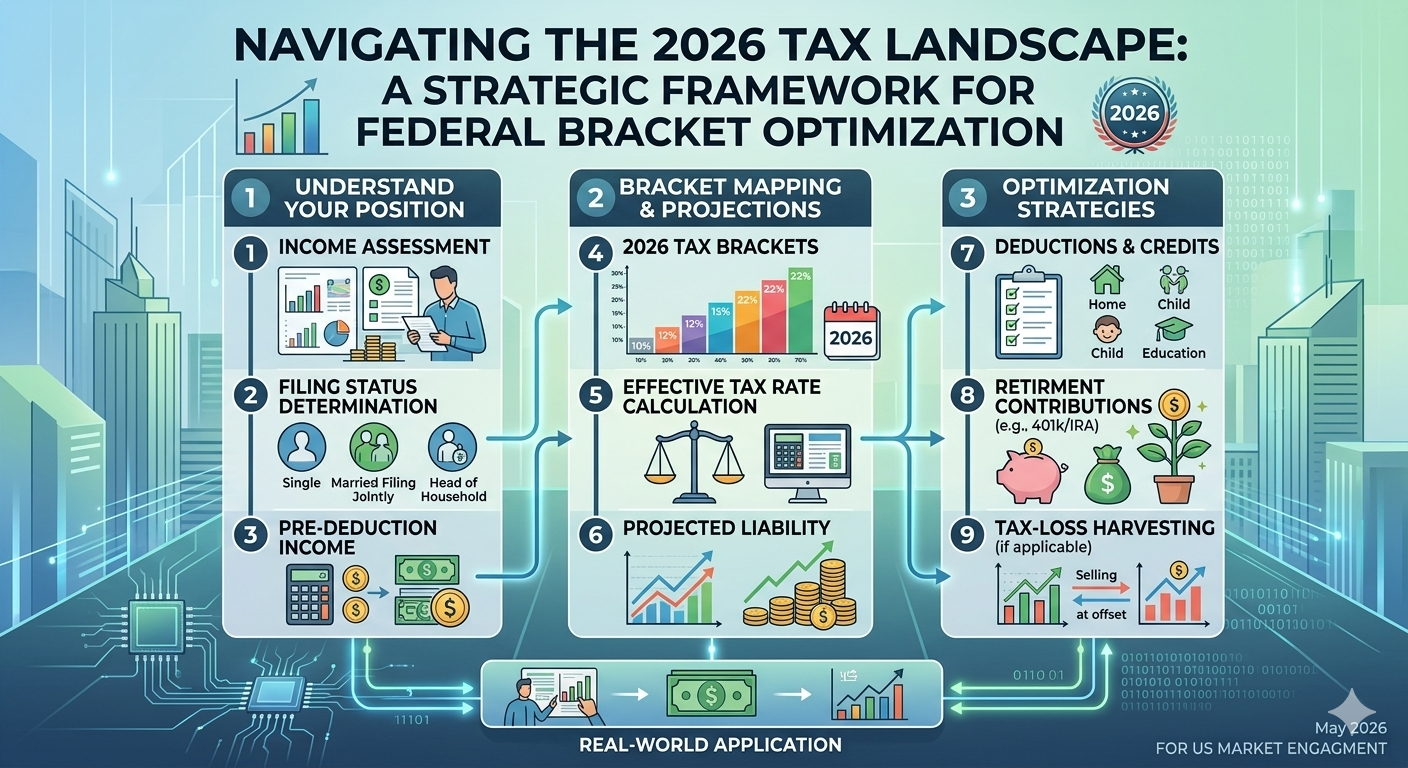
    As we cross the midpoint of 2026, the American tax landscape has reached a pivotal state of clarity that few predicted just two years ago. For years, taxpayers and financial advisors lived under the shadow of the 2025 “sunset,” bracing for a return to the higher pre-2018 tax rates. However, with the passage and implementation of the One Big Beautiful Bill Act (OBBBA), the federal tax framework has undergone its most significant transformation in a generation. Navigating this new environment requires more than just compliance; it demands a strategic framework for federal bracket optimization that leverages the permanency of current rates alongside aggressive new deductions.

    The most foundational shift in the 2026 tax year is the permanency of the seven-bracket structure. The 10%, 12%, 22%, 24%, 32%, 35%, and 37% rates are no longer temporary measures but the established law of the land. For high earners, the 37% top marginal rate now applies to taxable income exceeding $640,600 for single filers and $768,600 for married couples filing jointly. This permanency allows for long-term multi-year income shifting strategies that were previously too risky. Taxpayers can now confidently utilize Roth conversions and capital gain harvesting without the looming fear of a 39.6% top tier returning in the immediate future.

    Optimization in 2026 also hinges on the significantly expanded standard deduction, which has risen to $16,100 for individuals and $32,200 for joint filers. However, the “standard versus itemized” debate has been reinvigorated by the OBBBA’s relief on the State and Local Tax (SALT) deduction. The previous $10,000 cap, which frustrated many in high-tax states for nearly a decade, has been raised to $40,400 for the 2026 tax year. This fourfold increase means that for many homeowners and professionals in states like California, New York, and New Jersey, itemizing has once again become the mathematically superior path. A strategic framework must now include a mid-year “SALT check” to ensure property tax payments and state estimated taxes are timed to maximize this expanded ceiling.

    For the American workforce, 2026 introduces novel optimization levers through the “No Tax on Tips” and “No Tax on Overtime” provisions. Eligible taxpayers can now deduct up to $25,000 of cash tips and up to $12,500 of overtime pay from their taxable income, provided their modified adjusted gross income (MAGI) remains below the phase-out thresholds of $150,000 for individuals or $300,000 for joint filers. This creates a unique “bracket-within-a-bracket” where middle-income earners can effectively lower their effective tax rate by maximizing hours during peak periods without the traditional “bracket creep” penalty.

    The 2026 landscape is particularly favorable for small business owners and the self-employed. The Section 199A Qualified Business Income (QBI) deduction, once scheduled to vanish, is now a permanent fixture of the tax code. Most pass-through entities can continue to deduct 20% of their qualified business income, and the OBBBA has even introduced a new $400 minimum QBI deduction for those with at least $1,000 in business earnings. With the phase-in thresholds for 2026 set at $201,750 for single filers and $403,500 for joint filers, business owners should focus on “income leveling”—using retirement contributions or equipment purchases to keep their taxable income below these thresholds to ensure the full 20% deduction remains unencumbered by W-2 wage limitations.

    Older Americans have perhaps the most to gain from the 2026 strategic framework. Beyond the additional standard deduction for those over 65, a new senior-specific deduction allows for a reduction of up to $6,000 in taxable income (or $12,000 for couples). While this deduction phases out for those with a MAGI above $75,000 ($150,000 for

  • Strategic Capital Optimization: The Professional Framework for Low-Down-Payment Real Estate Investing

    Strategic Capital Optimization: The Professional Framework for Low-Down-Payment Real Estate Investing

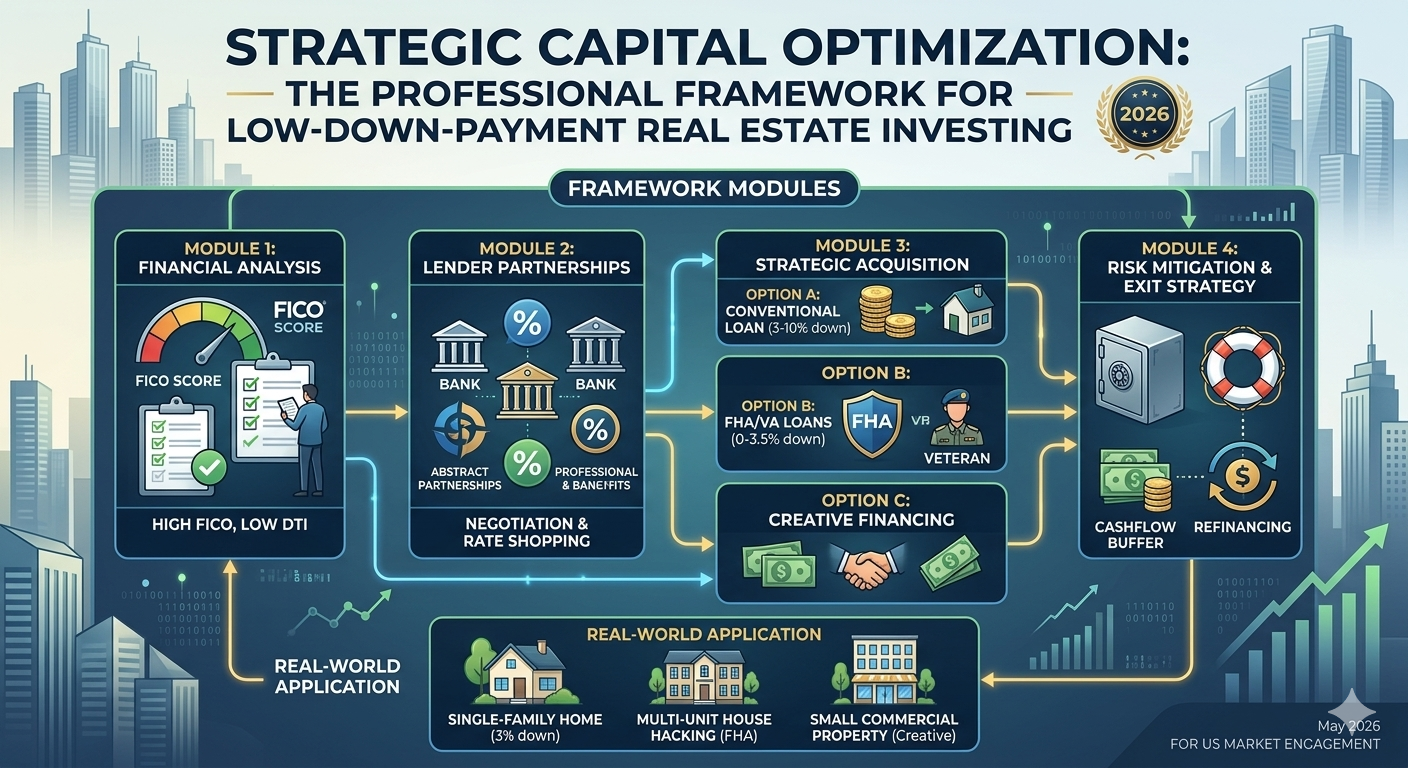
    As of May 21, 2026, the American real estate landscape has entered a sophisticated “high-rate plateau,” where the average 30-year fixed mortgage rate hovers around 6.62%. For the professional investor, this environment demands a shift from the brute-force equity models of the past toward a more nuanced framework: Strategic Capital Optimization. This approach moves beyond the simple goal of “buying a property” and instead focuses on the surgical deployment of leverage to maximize cash-on-cash returns while preserving liquidity. In a market where the national median home price remains elevated, the ability to secure high-value assets with minimal upfront capital is no longer just a perk for first-time buyers—it is a core requirement for scaling a resilient portfolio.

    The foundation of this professional framework begins with a deep understanding of the 2026 conforming loan limits. The Federal Housing Finance Agency (FHFA) recently increased the baseline conforming loan limit to $832,750, with high-cost areas reaching as high as $1,249,125. This adjustment is a critical lever for investors. By staying within these conforming boundaries, savvy operators can access conventional financing with down payments as low as 3% to 5%, provided the property serves as a primary residence for a portion of the hold period—a strategy often referred to as “house hacking” or “owner-occupant transition.” For those looking at multi-unit assets, the Federal Housing Administration (FHA) remains a powerhouse in 2026, offering a 3.5% down payment option for 1-4 unit properties, provided the floor limit of $541,287 or the local ceiling is respected.

    However, the true hallmark of Strategic Capital Optimization in the current climate is the sophisticated use of Debt Service Coverage Ratio (DSCR) loans. As conventional lenders tighten their debt-to-income (DTI) requirements in response to 3.8% annual inflation, DSCR loans have become the primary vehicle for portfolio expansion. These products bypass personal income verification entirely, instead qualifying the loan based on the property’s ability to generate rental income. In May 2026, DSCR rates typically range between 6.5% and 8.5%, a premium worth paying for investors who prioritize speed and the ability to close in an LLC. While 20-25% down is standard for these products, the most competitive lenders are now offering 15% down options for properties with a DSCR of 1.25 or higher, allowing investors to keep more “dry powder” for future acquisitions.

    The macro-economic backdrop of 2026 further supports this low-down-payment philosophy. Just yesterday, on May 20, 2026, the House of Representatives passed the 21st Century ROAD to Housing Act. This landmark legislation is designed to boost housing supply by increasing FHA-insured multifamily loan limits and removing the controversial “forced-sale” provisions that previously threatened institutional build-to-rent models. For the individual investor, this policy shift signals a long-term commitment to housing liquidity and supply growth, reducing the risk of a sudden market contraction. Furthermore, recent data from Realtor.com indicates that average down payments have hit a five-year low of 12.8%, suggesting that the market is finally tilting back toward buyers who can navigate these low-equity entries.

    To execute this framework effectively, one must master the “break-even” math of 2026. With refinance rates sitting at 7.05%, the goal is not necessarily to find the lowest interest rate, but to find the highest yield relative to the capital deployed. Professional investors are increasingly using seller concessions—which have become more common as homes sit on the market for an average of six days longer than last year—to fund permanent rate buy-downs. This tactic allows an investor to enter a deal with a 3.5% or 5% down payment while effectively “fixing” the cash flow to mirror a much lower interest rate environment.

    Ultimately, Strategic Capital Optimization is about agility. By utilizing the expanded 2026 loan limits and the flexibility of the ROAD to Housing Act’s new provisions, investors can control millions of dollars in real estate with a fraction of the traditional 20% equity requirement. In an era of geopolitical uncertainty and energy-driven inflation, liquidity is the ultimate hedge. Those who can master the art of the low-down-payment acquisition will find themselves perfectly positioned to capitalize on the next phase of the American real estate cycle, transforming market volatility into a structured engine for generational wealth.

  • The 2026 International Travel Rewards Strategy: A Professional Framework for Global Credit Card Optimization

    The 2026 International Travel Rewards Strategy: A Professional Framework for Global Credit Card Optimization

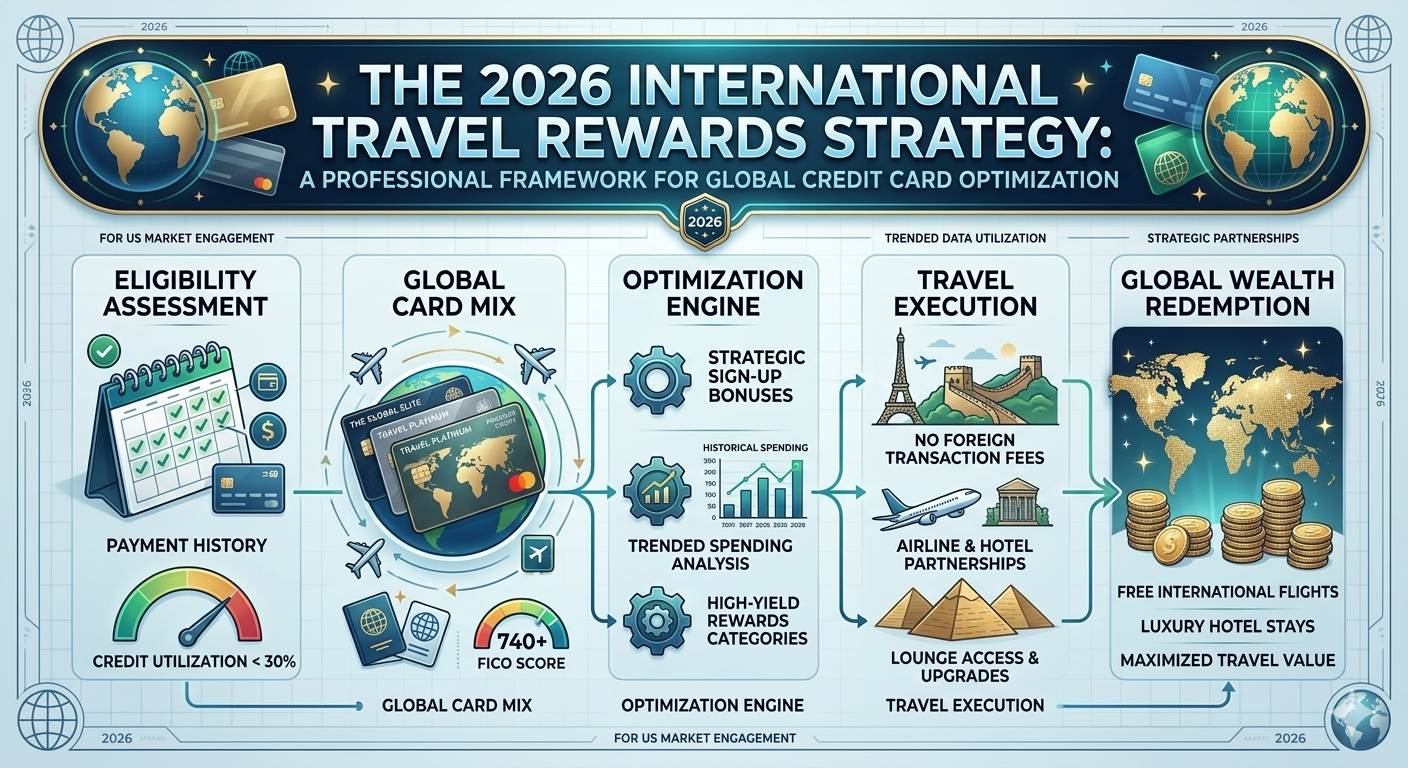
    As we cross the midpoint of 2026, the landscape of international travel rewards has shifted from a game of simple point accumulation to a sophisticated exercise in ecosystem management. For the American professional, navigating this terrain requires more than just a high-tier card; it demands a framework that accounts for the Federal Reserve’s stabilized interest rates, the aggressive “premiumization” of card benefits, and the rise of AI-driven redemption strategies. With the Federal Open Market Committee recently holding the federal funds rate in the 3.5% to 3.75% range, we have seen a slight cooling in the downward trend of APRs, which currently hover around an average of 23.79%. While the savvy traveler never carries a balance, these macro-economic indicators have directly influenced how issuers like American Express, Chase, and Capital One structure their annual fees and “lifestyle” credits to maintain profitability in a post-inflationary market.

    The most striking development in May 2026 is the sheer scale of the premium card arms race. The American Express Platinum Card now commands an $895 annual fee, yet it remains a cornerstone of the professional framework due to its unparalleled access to over 1,550 global lounges and a revamped suite of digital nomad credits. Simultaneously, Chase has responded with a massive 150,000-point welcome offer on the Sapphire Reserve, though the card’s annual fee has climbed to $795. This “high-fee, high-value” model means that optimization is no longer optional. To justify these costs, travelers must look beyond the surface-level perks and dive into the nuances of transfer partner ratios, which have become increasingly volatile this year. For instance, while Emirates and Cathay Pacific devalued their transfer rates earlier this spring, the American Express-to-AeroMexico pipeline remains a standout at a 1:1.6 ratio, offering a rare opportunity for outsized value on long-haul business class routes.

    A professional strategy in 2026 also requires a keen eye on the legislative environment. The ongoing debate over the Credit Card Fairness Act, which seeks to codify the $8 late fee cap after the previous CFPB rule was vacated in 2025, has led many banks to tighten their approval algorithms. This makes “credit hygiene” more critical than ever for those looking to rotate into new products. Furthermore, the looming shadow of the Credit Card Competition Act continues to influence how issuers design their rewards. We are seeing a pivot away from flat-rate cashback toward “merchant-funded” and “card-linked” offers. These are no longer the clunky coupons of the past; today’s AI-native loyalty programs use real-time transaction signals to surface hyper-personalized bonuses. If you are dining in Tokyo or shopping in Paris, your banking app is now likely to push a 10x “flash bonus” for a specific local partner, effectively turning your smartphone into a dynamic rewards engine.

    For those focused on hotel stays, the early 2026 addition of Wyndham Rewards as a 1:1 Chase Ultimate Rewards partner has opened up significant value in the “vacation rental” space, particularly for families utilizing the Vacasa partnership. However, the true “pro” move this season involves the Bilt ecosystem. No longer just for renters, the Bilt Palladium Card has emerged as a formidable competitor in the premium space, offering unique transfer paths to programs like Alaska Airlines and Turkish Miles&Smiles that other major issuers lack. When combined with the 65% transfer bonuses we’ve seen recently from Chase to Marriott Bonvoy, the ability to “stack” rewards across multiple ecosystems has become the hallmark of the elite traveler.

    Sustainability has also moved from a marketing buzzword to a functional part of the cardholder experience. In 2026, many premium cards are issued in reclaimed wood or ocean plastic, but the real value lies in the integrated carbon-tracking tools. These platforms now allow travelers to “burn” points to offset the footprint of their international flights at a fixed, favorable rate, a feature that has become a requirement for corporate travelers adhering to new ESG reporting standards. As you refine your strategy for the remainder of the year, remember that the goal is no longer just to earn points, but to maintain a flexible portfolio that can adapt to sudden partner devaluations and capitalize on the real-time, AI-driven opportunities that define this new era of global mobility. By balancing high-fee “anchor” cards with agile earners like the Amex Gold—which still dominates the 4x dining category—the modern traveler can ensure that every dollar spent is a step toward the next first-class cabin.

  • Contact

    Contact Us

    We would love to hear from you. If you have any questions or suggestions, please reach out to us at:

    Email: [kwonhs84@naver.com]