The landscape of the American workforce has undergone a profound transformation as of May 2026, shifting from the experimental flexibility of the early 2020s into what is now a highly disciplined “Expert Economy.” For professionals seeking high-hourly remote positions today, the strategy is no longer about simply finding a company that allows off-site work; it is about positioning oneself as a high-value asset within a complex macroeconomic environment defined by stabilizing interest rates, evolving tax codes, and the total integration of artificial intelligence into professional workflows.
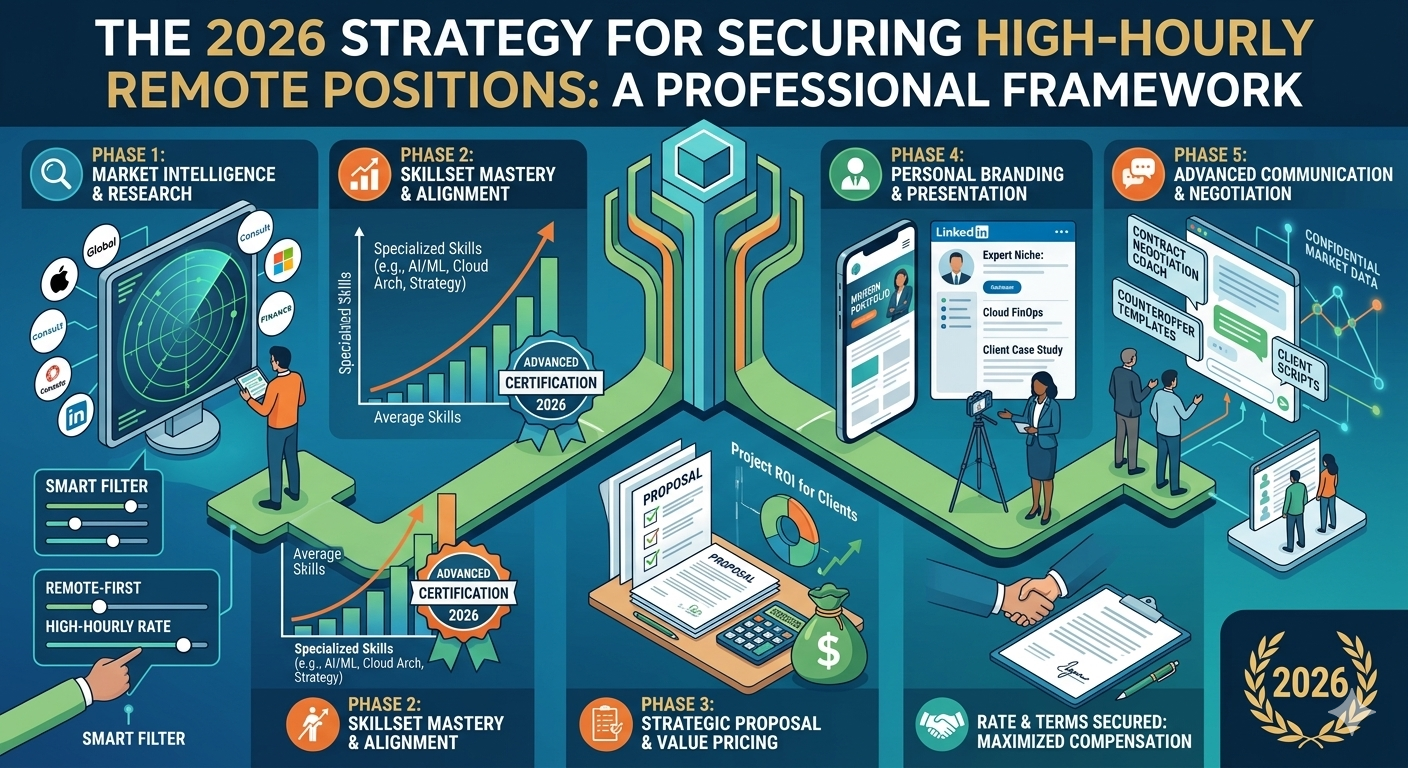
As we navigate the second quarter of 2026, the Federal Reserve, now under the leadership of Chair Kevin Warsh, has maintained a steady federal funds rate in the 3.5% to 3.75% range. While this has cooled the frantic hiring cycles of the past, it has created a premium on “revenue-critical” talent. Companies are no longer hiring remote generalists; they are seeking specialists who can drive immediate fiscal impact. To secure a high-hourly rate in this climate, your framework must begin with a pivot toward roles that directly influence the bottom line. Interestingly, recent data shows that remote Account Executives and Sales Consultants have overtaken software engineers as the most in-demand remote titles. This shift reflects a corporate world that is prioritizing growth and market share in a “higher-for-longer” interest rate environment.
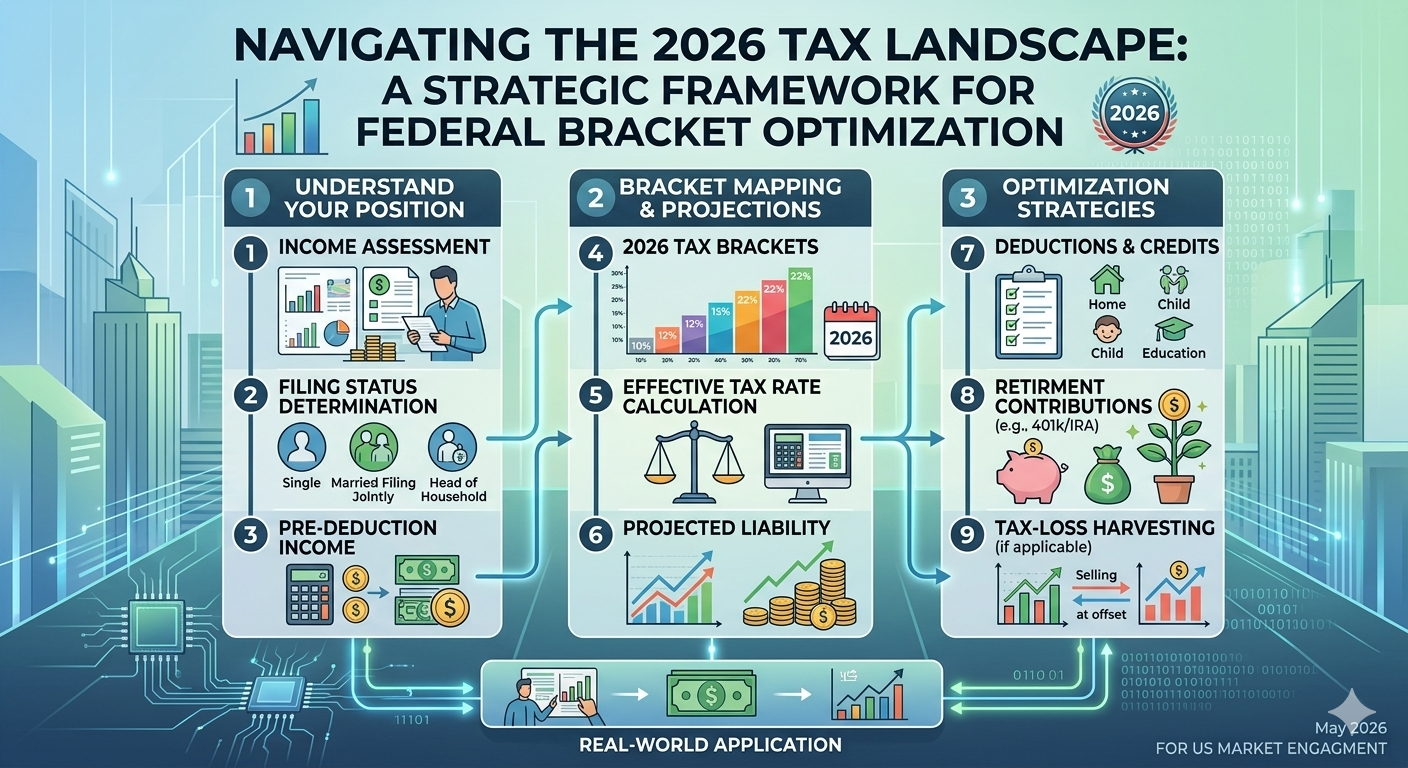
Beyond role selection, a sophisticated understanding of the current US tax landscape is a mandatory component of the 2026 professional framework. With the implementation of the “One Big Beautiful Bill”—also known as the Working Families Tax Cut of 2025—many of the individual tax provisions that were once temporary have become permanent fixtures. For high-earning remote professionals, particularly those operating as 1099 contractors or fractional leaders, this means navigating a system that rewards strategic income structuring. The 2026 strategy involves leveraging the permanent increase in the standard deduction while carefully managing the phase-outs for specialized deductions like the “no tax on tips” provision for those in the service-adjacent consulting sectors. Understanding how your hourly rate translates to net-take-home pay under these 2026 rules is essential for effective contract negotiation.
The technological baseline has also shifted. In 2026, “AI literacy” is no longer a buzzword to include on a resume; it is a fundamental requirement for any role commanding over $150 per hour. High-hourly remote positions now require fluency in autonomous agent orchestration and AI-driven data synthesis. Employers are looking for “AI-augmented” professionals who can produce the output of a three-person team. Furthermore, as virtual reality and spatial computing have moved from novelty to utility, the ability to lead distributed teams in immersive digital environments has become a key differentiator. If you are not yet comfortable managing a project roadmap within a 3D collaborative space, you are likely leaving money on the table.
Perhaps the most effective strategy for maximizing hourly compensation in 2026 is the “Fractional Pivot.” Rather than seeking a single full-time remote employer, top-tier professionals are increasingly adopting a portfolio career model, serving as fractional CFOs, COOs, or Head of Growth for two or three mid-sized firms simultaneously. This approach not only mitigates the risk of the layoffs that 23% of workers still fear this year but also allows for a significantly higher effective hourly rate. By selling “outcomes” rather than “hours,” and utilizing the 2026 tax advantages for pass-through business income, fractional experts are the highest earners in the remote market.
Securing these positions requires a departure from traditional job boards. The 2026 framework relies heavily on “verified expertise” networks and niche professional communities where trust is the primary currency. In a world where AI can generate a perfect cover letter in seconds, your personal brand must be anchored in documented, verifiable results. Whether it is a public GitHub repository for engineers or a verified case study portfolio for growth marketers, your digital footprint must prove that you can thrive in an asynchronous, high-accountability environment.
Ultimately, the 2026 strategy for high-hourly remote work is one of intentionality and adaptation. By aligning your skills with the revenue-focused demands of the current economy, mastering the nuances of the 2025-2026 tax reforms, and embracing the fractional leadership model, you can secure a position that offers both the flexibility you desire and the high-level compensation your expertise deserves. The market is competitive, but for the professional who treats their career as a strategic enterprise, the opportunities have never been more lucrative.